The latest discoveries from MBARI, NOAA, JAMSTEC, and other leading marine research institutions — deep-sea exploration, marine life, and ocean science.
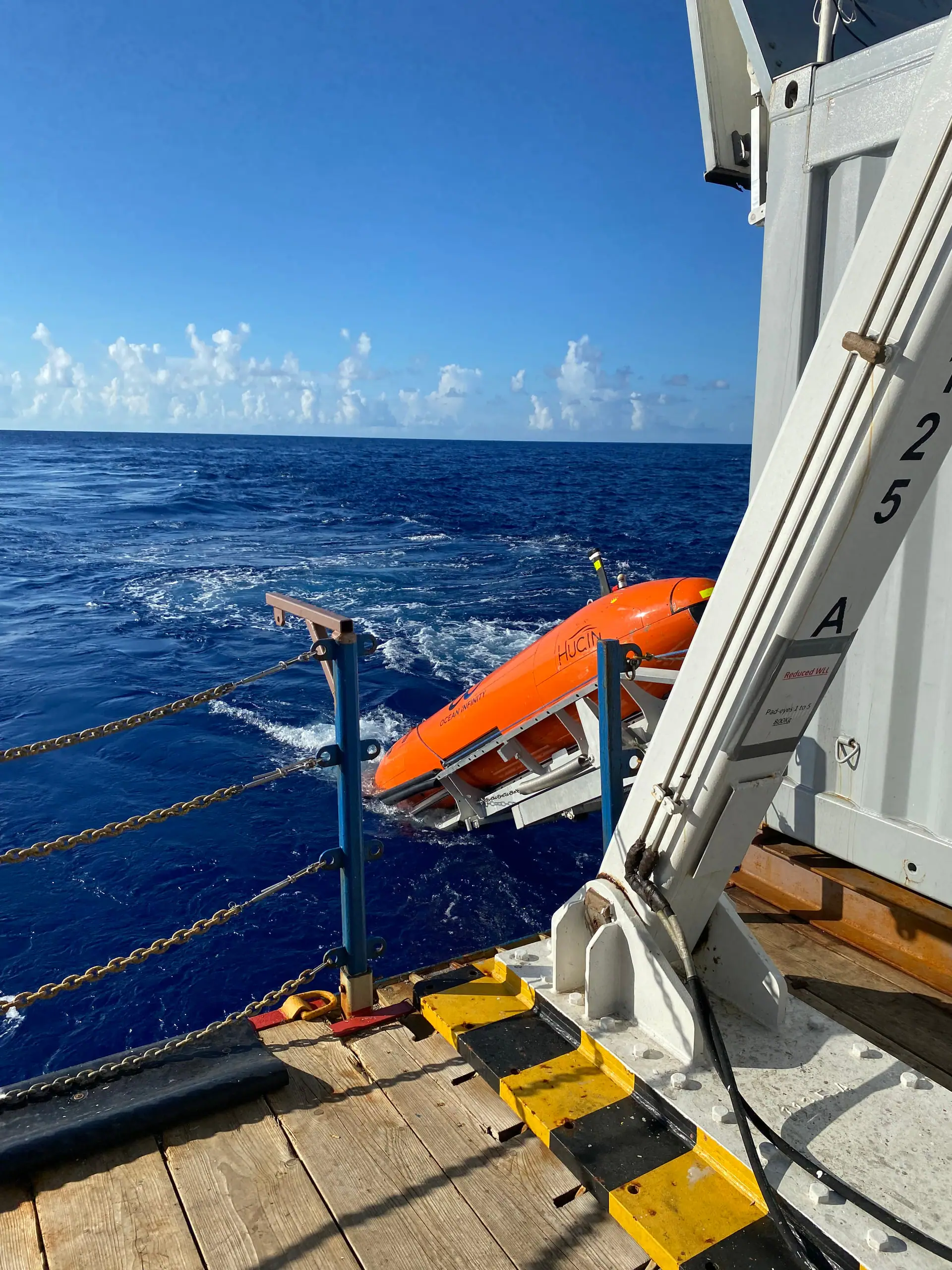
NOAA is testing three autonomous underwater vehicles rated to 6,000 m from the ship Okeanos Explorer off Hawaii. The HUGIN 6000, the largest AUV the ship has ever carried, is to run survey lines up to 150 km long on its own.
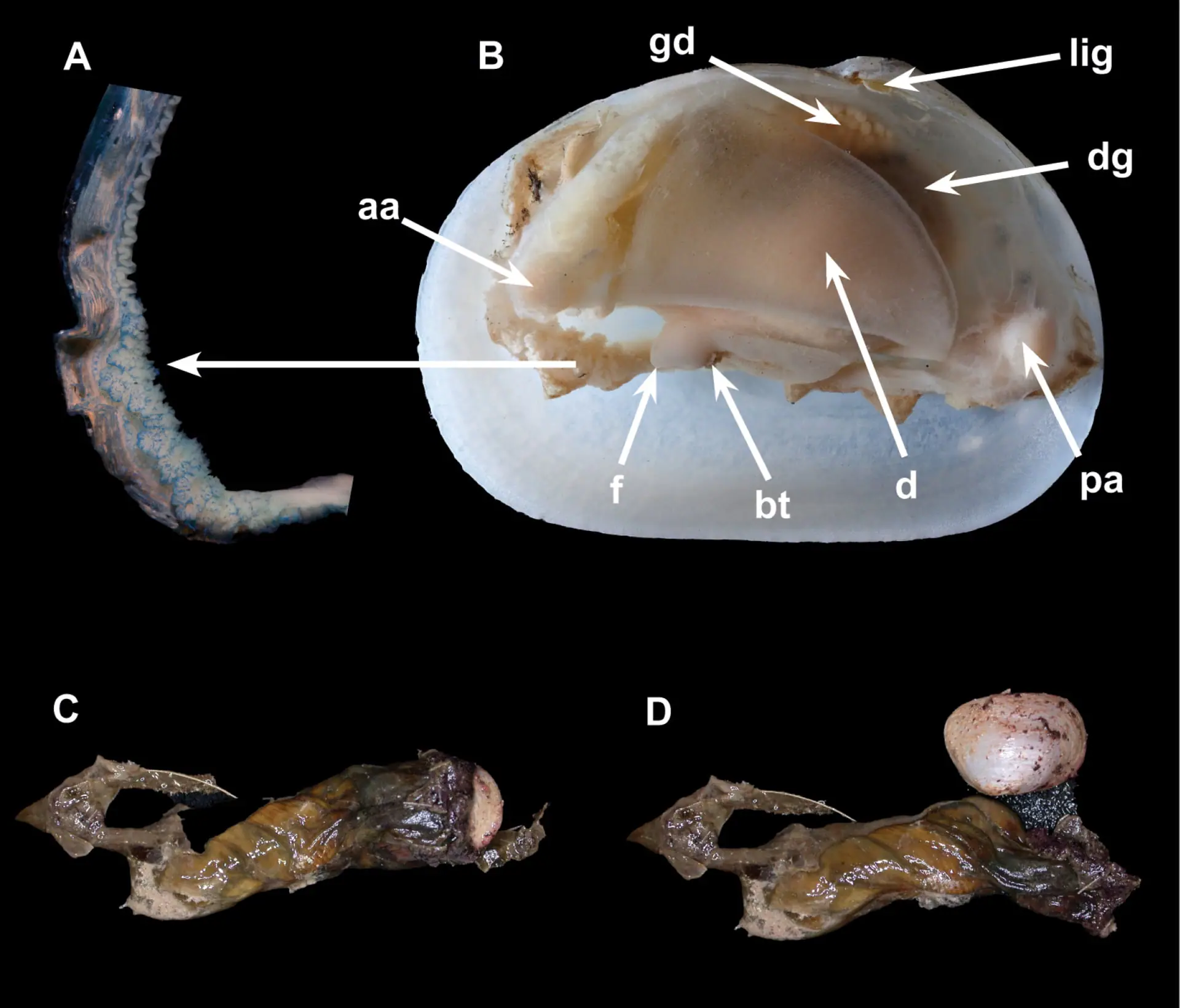
A clam up to about 2 cm long that lives inside the esophagus of a sea urchin some 4,000 to 5,000 m deep off southern Australia has been described as a new species. A 150-year-old urchin specimen turned out to hold its relatives too.
After each of six major eruptions, from Krakatau in 1883 to Pinatubo in 1991, the global cumulative intensity of extreme ocean cold was briefly higher than before the eruption.
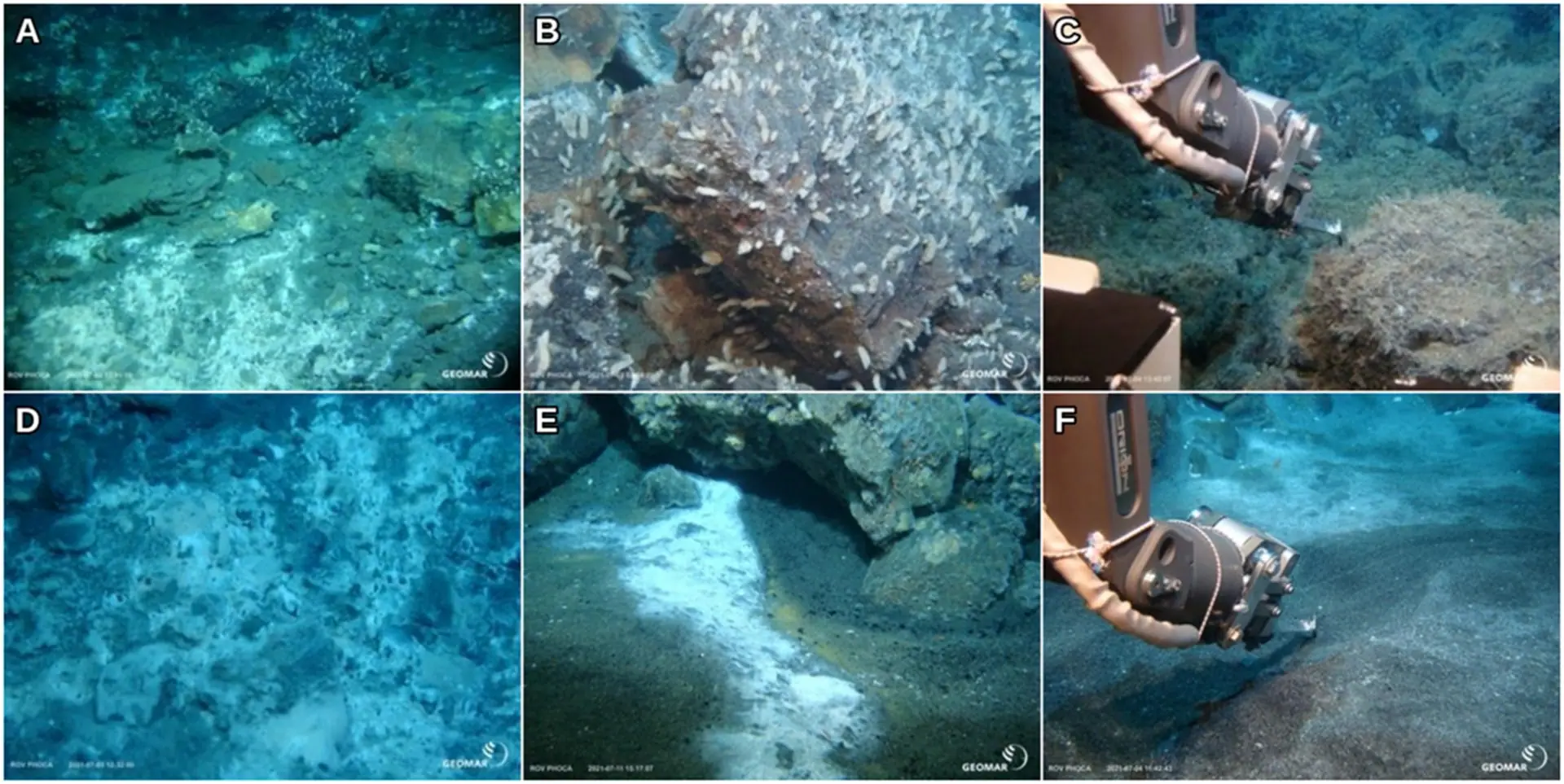
Around chimneys venting fluid at up to 251 °C some 400 m down off northern Iceland, the animals identified to species were widespread species of the surrounding shelf and slope. A new paper compares two Icelandic vent fields.
A 770 m fiber-optic cable towed behind a ship listened to the sea while also measuring its own depth. In open-sea trials, a Harbin Engineering University team tracked a source 5.7 km away and measured a significant wave height of 1.41 to 2.66 m.
Among peanut worms collected at 225 to 1,224 m off Japan are two new species with saw-toothed hooks never before reported in the group. Their ancestors probably used sunken wood and animal remains as stepping stones to reach hydrothermal vents.
University of the Ryukyus and Japan Agency for Marine-Earth Science and Technology・5 min read
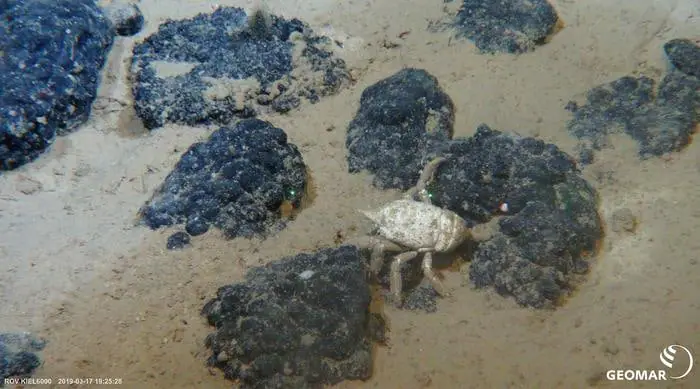
Researchers dissected 244 polymetallic nodules from the Pacific abyss and found 4,139 small animals living in their crevices. One nodule held 245, and the residents differed from those in the surrounding mud.
Dense water sinking in the Weddell Sea lingers on the shelf for 6 to 12 years. New organic matter is likely broken down in that time, and the dissolved organic matter exported to the abyss barely changes.
Alfred Wegener Institute, Helmholtz Centre for Polar and Marine Research・5 min read
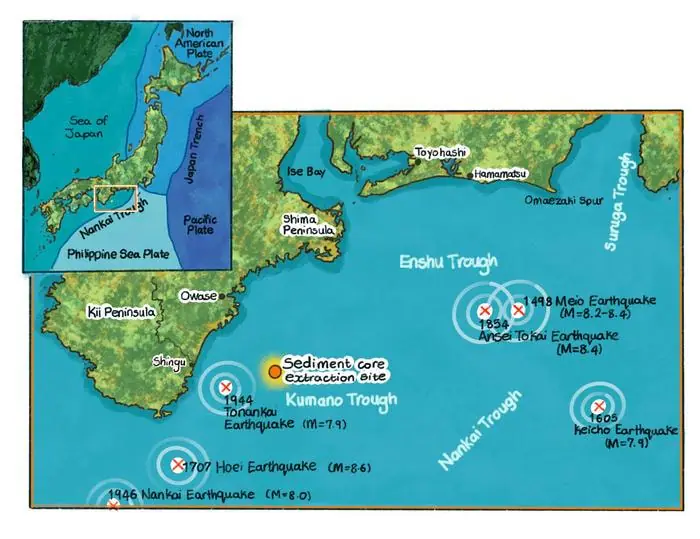
Seafloor mud that looked uniform to the naked eye held seven layers with reversed ages. The University of Tokyo dated Kumano Trough sediment every 0.5 to 1 cm and compared the layers with the 1707 Hoei earthquake and other events.
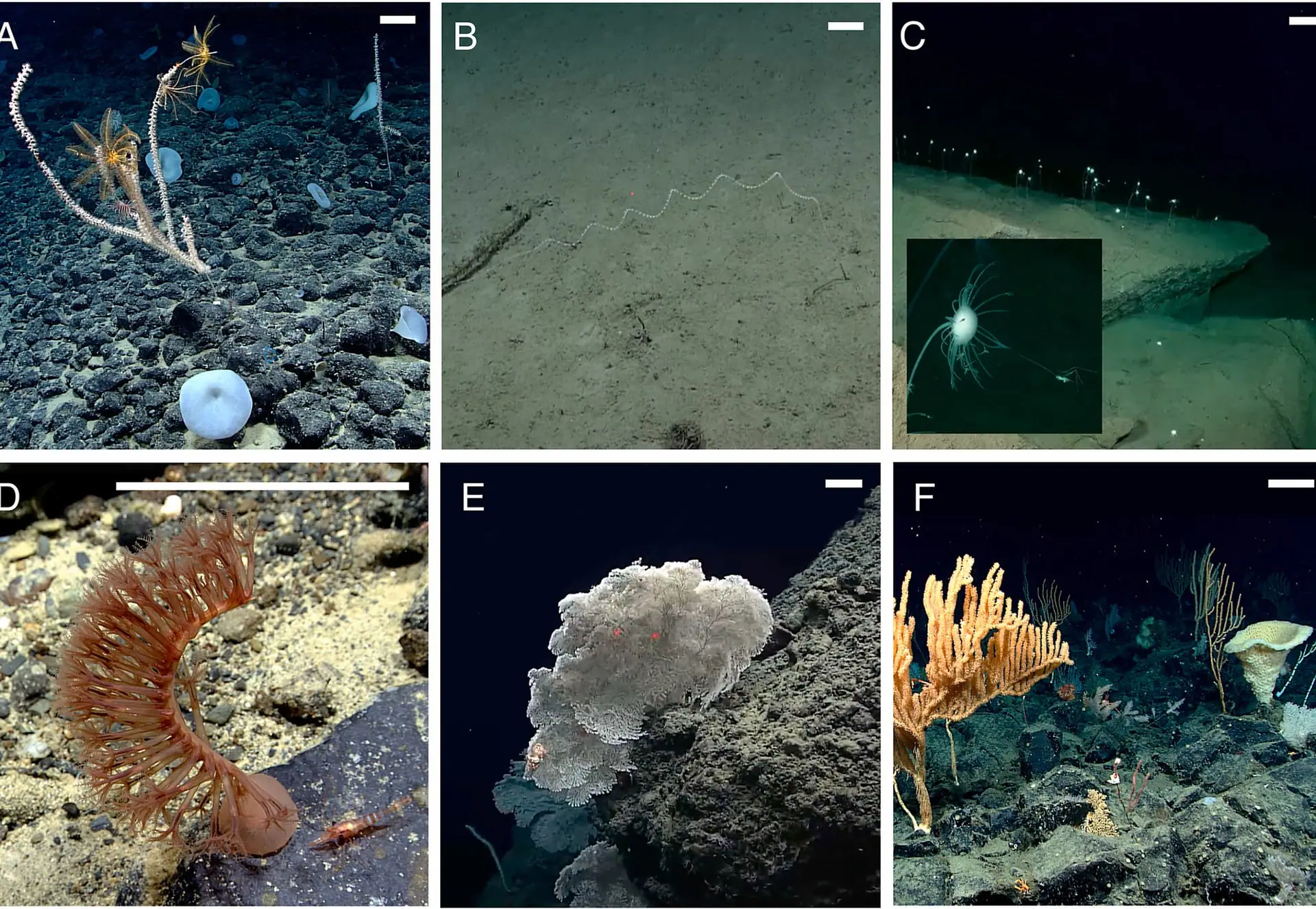
A study of 75 hours of dive footage off Alaska sorted sponges and corals into 164 morphotypes. Which communities formed where was linked more closely to the surrounding currents and water masses than to depth.
NOAA Ocean Exploration・5 min read
Get the latest deep-sea news
Follow us on X for the latest articles from Deep Sea Log.