You might assume that the ocean simply loses oxygen bit by bit the deeper you go. In fact, a layer especially poor in oxygen often forms at middle depths, well above the deep seafloor. This low-oxygen layer is called an oxygen minimum zone. Let's look at how it works and how warming is changing it, using an explainer (published in 2023, updated in 2024) and expedition photos from NOAA Ocean Exploration, part of the U.S. National Oceanic and Atmospheric Administration (NOAA).
Where are oxygen minimum zones found
Oxygen minimum zones occur between roughly 100 m and 1,500 m deep. NOAA's explainer describes them as layers that form naturally and last a long time. You may even hear scientists mention them during live broadcasts of remotely operated vehicle dives.
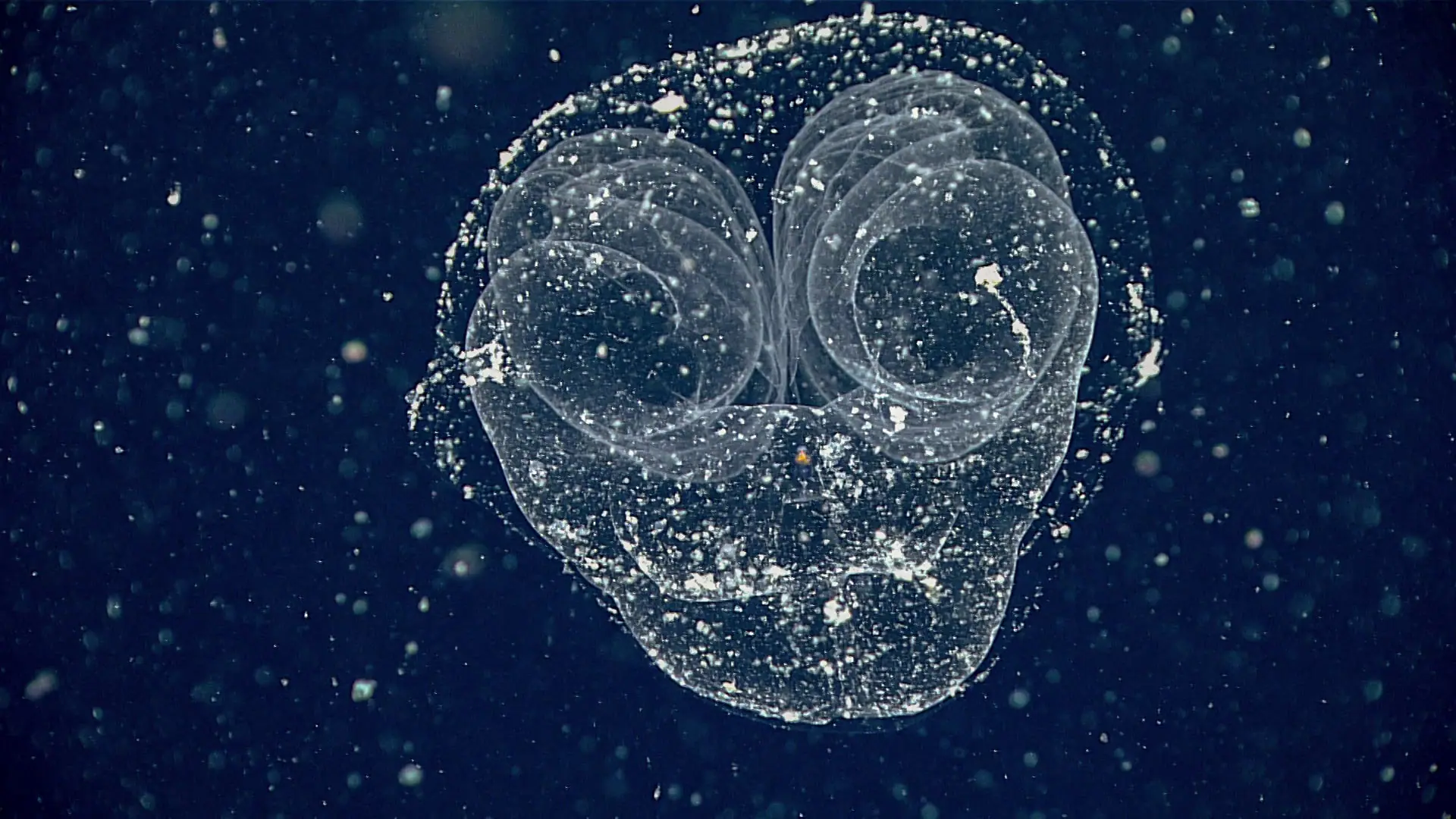
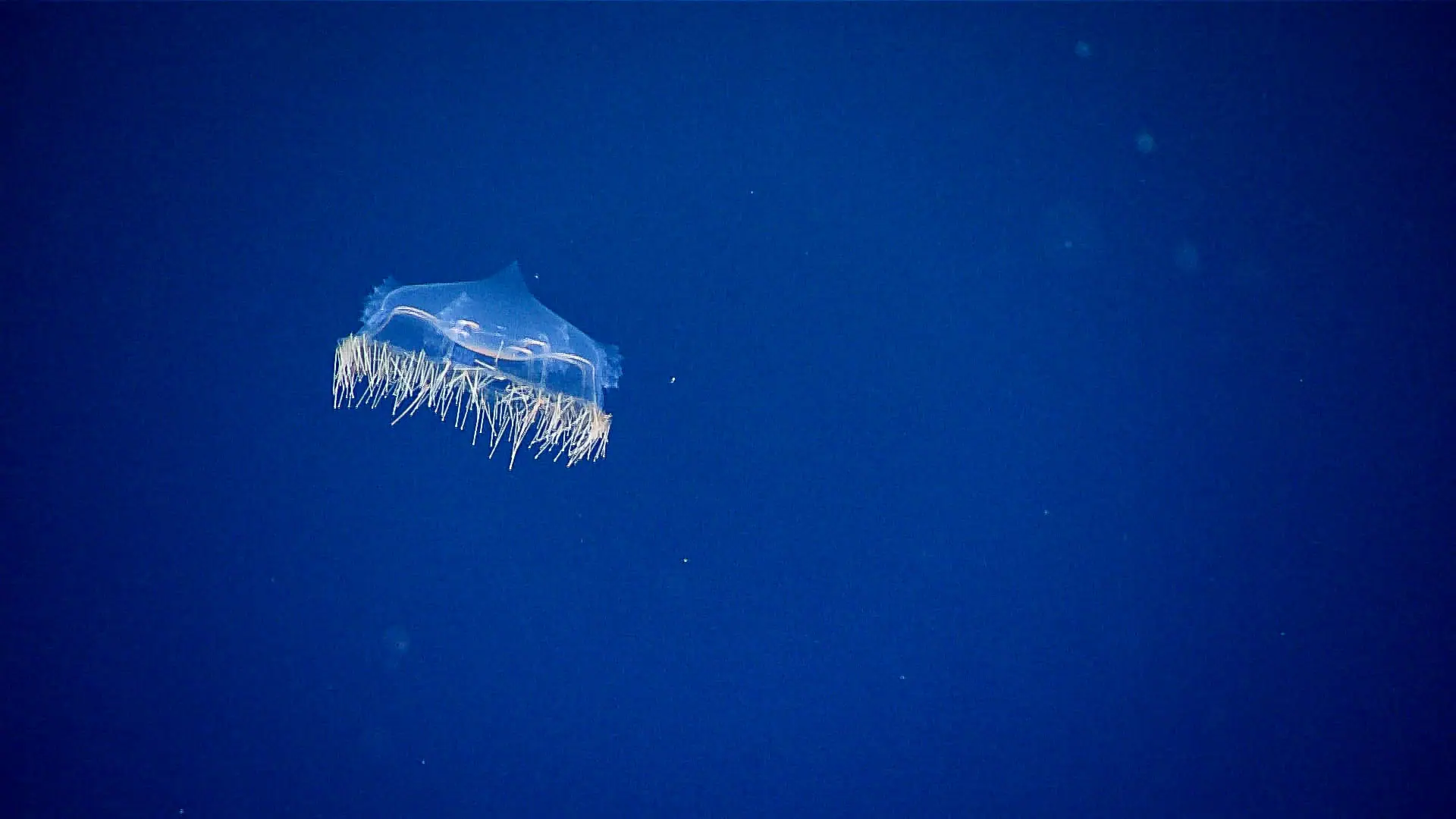
The main image shows a hydromedusa, a jellyfish belonging to the class Hydrozoa, seen during the Mountains in the Deep expedition exploring the Central Pacific Basin. NOAA presents this jellyfish as one of the animals that may be found in an oxygen minimum zone.
Why is oxygen low only in the middle
An oxygen minimum zone is often sandwiched between two layers that hold more oxygen. Above it is the surface layer, where gases from the atmosphere mix into the water. Below it is the deep ocean, where very cold water that readily holds oxygen meets the seafloor. Cold water can hold more dissolved oxygen, so the deep water contains more oxygen than the warmer water at middle depths.
NOAA explains that oxygen runs low in the layer in between because biological, chemical and physical processes, such as the movement of water, work together. Strong stratification, meaning the water is divided into horizontal layers, along with little mixing between them, has allowed oxygen minimum zones to persist over long stretches of geological time.
Can anything live there
The photo above shows thick mats of brittle stars around the oxygen minimum zone at Surveyor Seamount, seen on the fifth dive of the 2023 Seascape Alaska 5 expedition in the Gulf of Alaska. The team also released a video of this stunning, if somewhat eerie, scene titled "Low Oxygen Paradise." How these brittle stars get by is not described in the explainer.
With so little oxygen, these depths sound hard to live in. In NOAA's words, oxygen-hungry animals such as tuna and swordfish "cannot survive for any length of time" inside these zones. Still, some animals manage on little oxygen. One example NOAA gives is animals that have become better at capturing it. A larger gill area, efficient circulation, or plenty of proteins that grab oxygen readily make that possible. Another is the jellyfish in the main image, whose low-energy lifestyle lets it get by on very little oxygen.
On the same dive, shortly after the vehicle rose above the oxygen minimum zone, the team came across a giant Pacific octopus (Enteroctopus dofleini) about the size of an American football. The scientists thought it was asleep.
Where oxygen minimum zones meet the seafloor, large microbial mats often form. NOAA's explainer adds that compounds produced by interactions among these microbes might have properties useful for medicine.
What changes with warming
As we saw above, colder water can hold more oxygen. This is where warming comes in. As heat passes from the air into the sea and the surface water warms, the amount of oxygen the water can keep goes down. On top of that, warming at the surface strengthens stratification, so the layers exchange less water and oxygen is topped up from above more slowly. Oxygen minimum zones themselves are natural, but deoxygenation, the loss of oxygen from the ocean, is being worsened by climate change.
NOAA writes that, as a result, the upper edge of an oxygen minimum zone moves shallower, threatening animals that need more oxygen. NOAA also notes that oxygen minimum zones are increasing in number and size worldwide as the ocean warms.
Oxygen is essential to most living things, so monitoring low-oxygen areas is important to understanding how environmental change is affecting the ocean ecosystem. NOAA says scientists will continue to collect data on how these changes may affect habitats, organisms and fisheries.
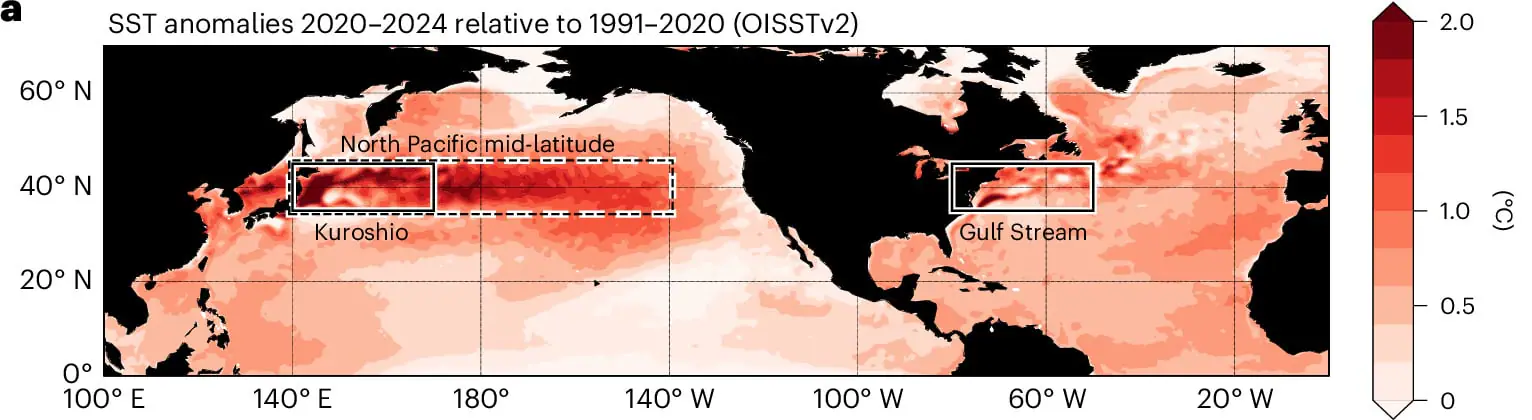
An invisible layer in the middle of the ocean is slowly changing shape as the planet warms. Deep Sea Log has also covered ocean warming in an article on the warming of the Kuroshio Extension and the Gulf Stream. For the animals that travel up and down through middle depths every day, see our article on diel vertical migration.