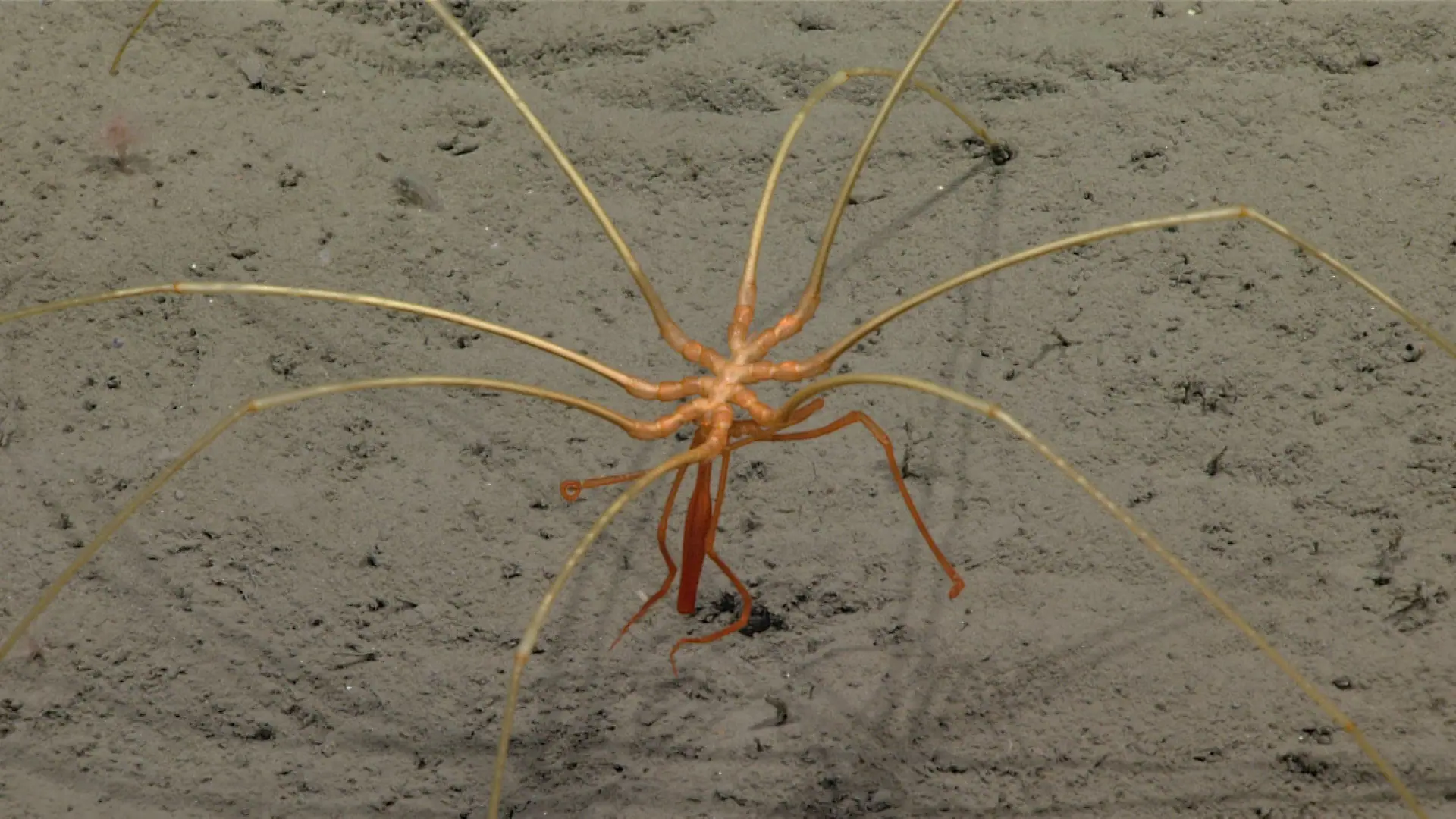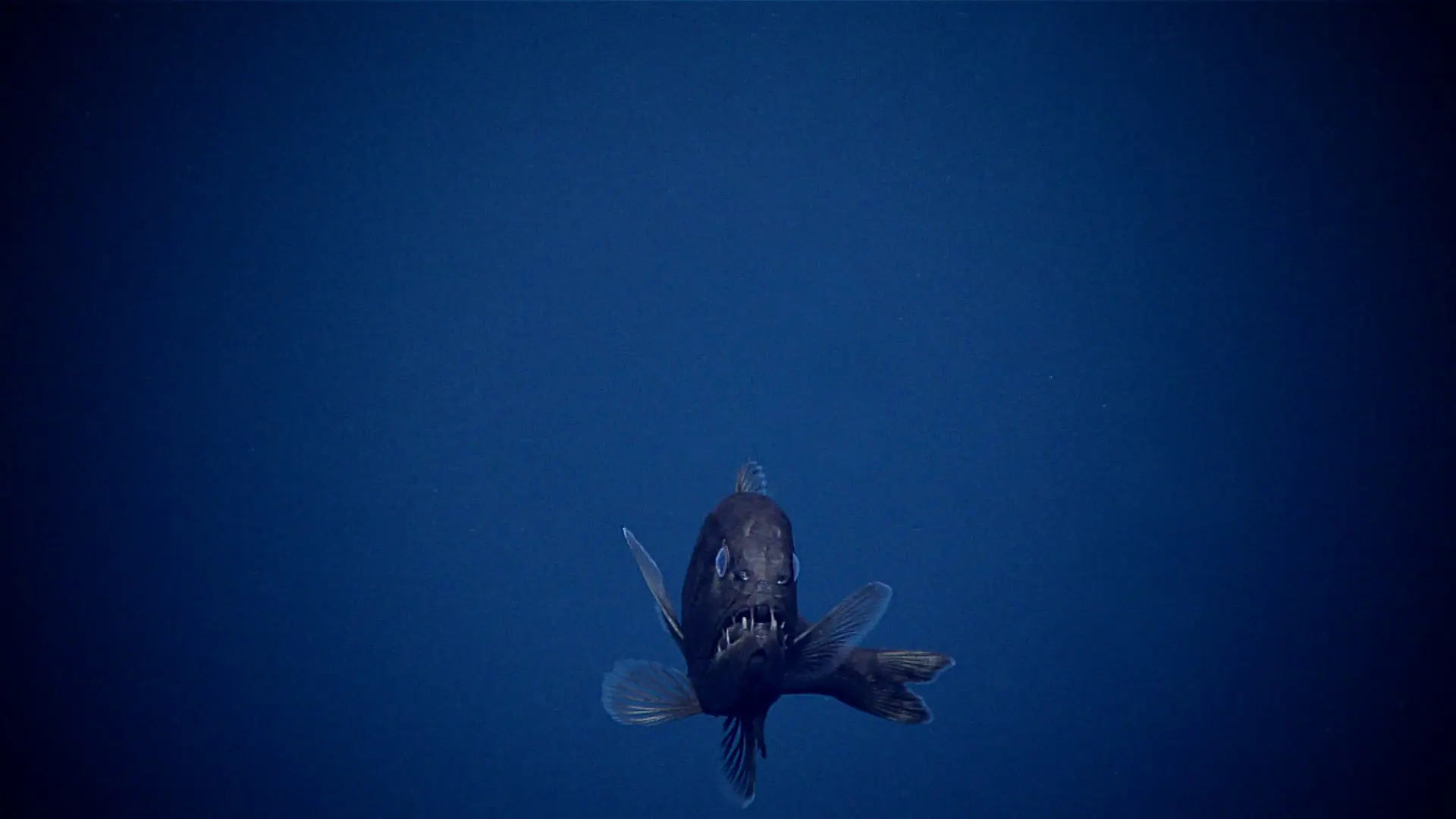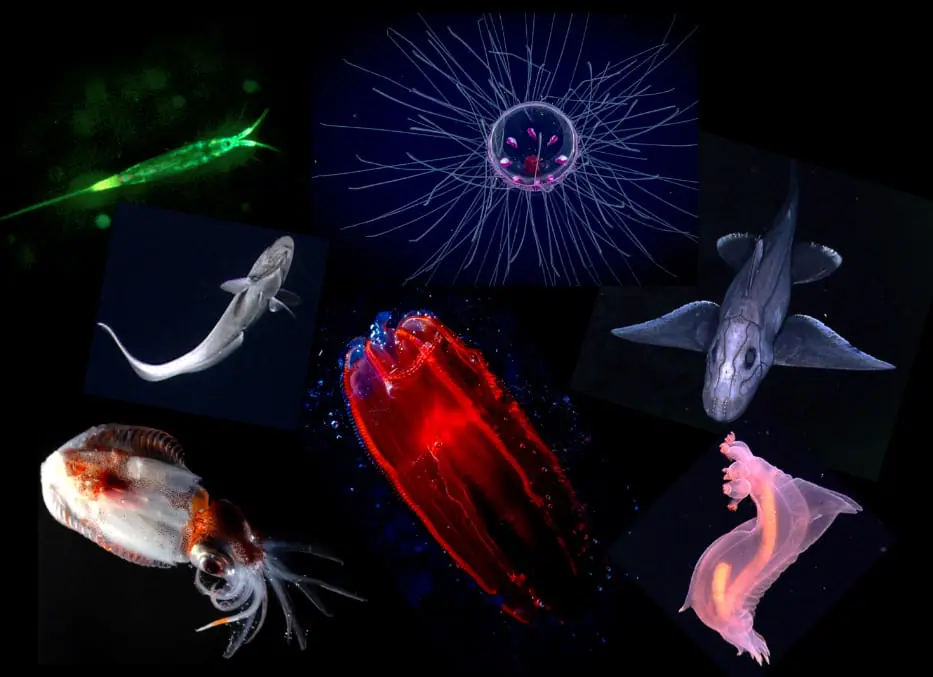
Some deep-sea animals have names that make you smile. Some are nicknames inspired by their looks, some borrow the name of a look-alike plant, and some honour people who helped. Here are three stories behind names, including the ghostly "Casper" octopus, as told in photos and explanations by NOAA Ocean Exploration, part of the U.S. National Oceanic and Atmospheric Administration (NOAA).
Why is the ghostly "Casper" called that
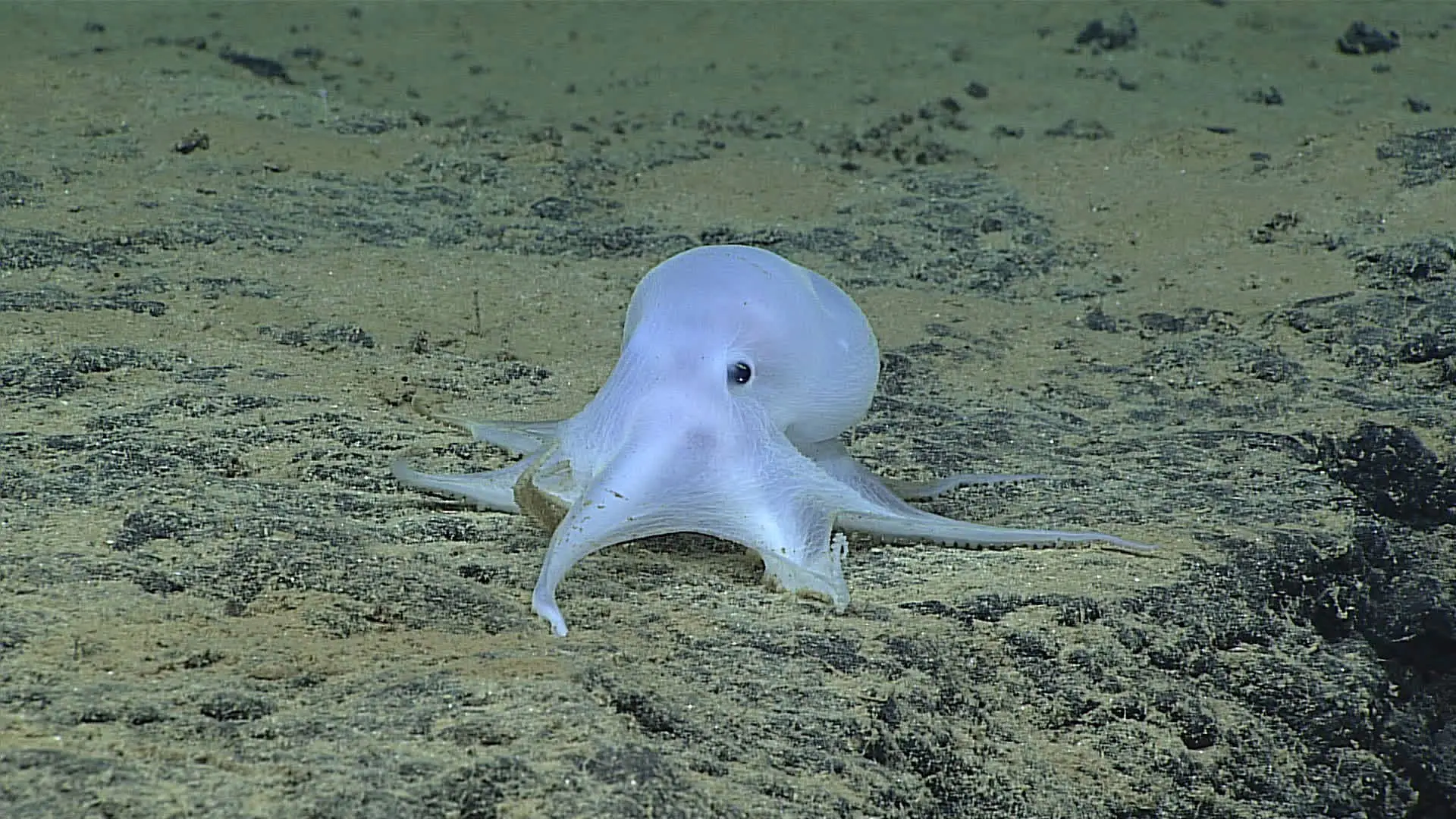
In 2016, the remotely operated vehicle (ROV) Deep Discoverer, working from NOAA Ship Okeanos Explorer, found a small octopus in the deep sea off Hawaii. Its body was nearly translucent, giving it a pale, hazy look. It was at 4,290 m.
The dive was being streamed live online. People watching on social media began calling this ghostlike octopus "Casper". Another NOAA description also says the popular media dubbed it that because of its ghostlike appearance.
Deep-sea octopods fall into two groups: those with fins on their bodies and those without. A well-known finned example is the dumbo octopus, also covered on Deep Sea Log. Casper belongs to the finless group. It was found deeper than any finless octopod known at the time.
Why does Casper have no scientific name
Ten years after its discovery, octopods very similar to Casper have been seen many times. Later in 2016, two were found that seemed to be brooding eggs on dead sponge stalks. Even so, Casper still has no scientific name.
NOAA explains that photos and videos alone make it hard to tell where Casper belongs in the tree of life. On top of that, no specimen has ever been collected. Why its body lacks colour is also still unknown.
Its popularity has not faded. In 2025, the original Casper was the most-favourited animal in FathomVerse, a mobile game that lets players help identify ocean life. It may be an animal that was loved by its nickname before it ever got a scientific name.
What is the Venus flytrap anemone
There is a sea anemone known in English as the Venus flytrap anemone, named after the plant. NOAA writes that it looks and acts a lot like the plant it is named after. Yet it is very much an animal.
It even eats like the plant. It paralyses animals that drift within reach with the stinging cells on its tentacles, then folds itself up to trap and eat them. The one in the photo was standing on the seafloor at 653 m northeast of St. Croix in 2022. In 2025, a member of the genus Actinoscyphia was also photographed on top of a dead glass sponge on the seafloor at 2,366 m.
What are the sea stars named after people
Scientific names sometimes honour people. In 2024, Christopher L. Mah, a research associate at the Smithsonian's National Museum of Natural History, described a new genus and two new species of deep-sea sea stars in the journal Zootaxa. Mah often takes part in NOAA's live-streamed ROV dives.
One of them, Bathyceramaster kelliottae, is named after Kelley Suhre of NOAA Ocean Exploration, who at the time of the 2024 announcement was deputy chief of its expeditions and exploration division. The other, the new genus and species Rhianastra isosceles, takes its genus name from Rhian Waller, a marine biologist who studies the reproductive ecology of deep-sea organisms, mainly cold-water corals. The "isosceles" part refers to its triangular arms.
NOAA writes that even when an organism looks like a new species, it often takes years of careful analysis before that is published. Our story on the deep sea's colourful animals also features a comb jelly that may be a new species. We look forward to the day it gets a name.