The latest discoveries from MBARI, NOAA, JAMSTEC, and other leading marine research institutions — deep-sea exploration, marine life, and ocean science.
Sandwiched between the sea surface and the deep seafloor, at middle depths, lies a layer with very little oxygen. Here is how these oxygen minimum zones form, how animals cope there, and why warming makes them grow, with NOAA explanations and photos.
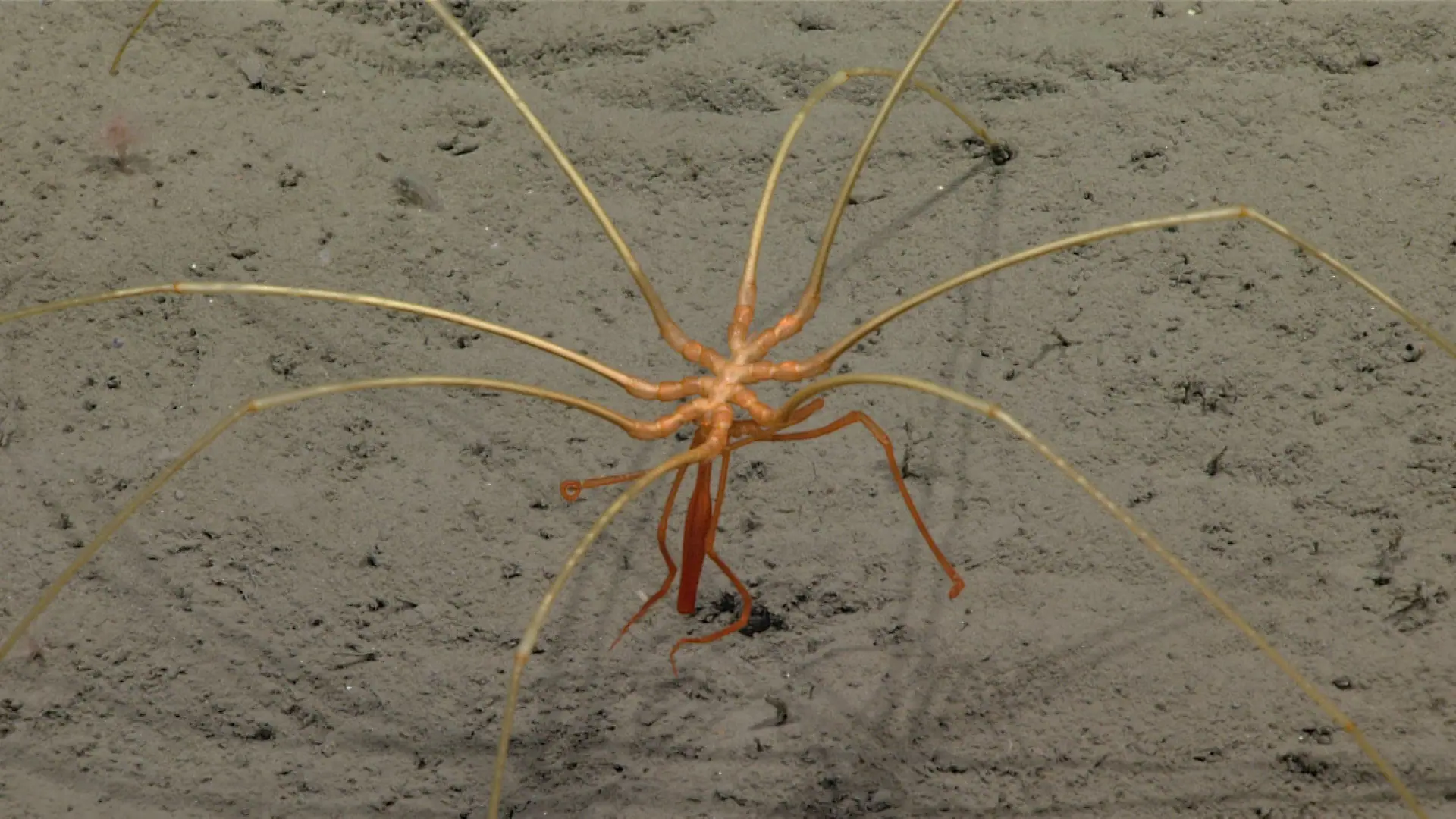
Sea spiders stalk the deep seafloor on long legs, but despite the name they are related to spiders without being true spiders. Some deep-sea species grow large. Here is how their bodies work and how they feed, with NOAA explanations and expedition photos.
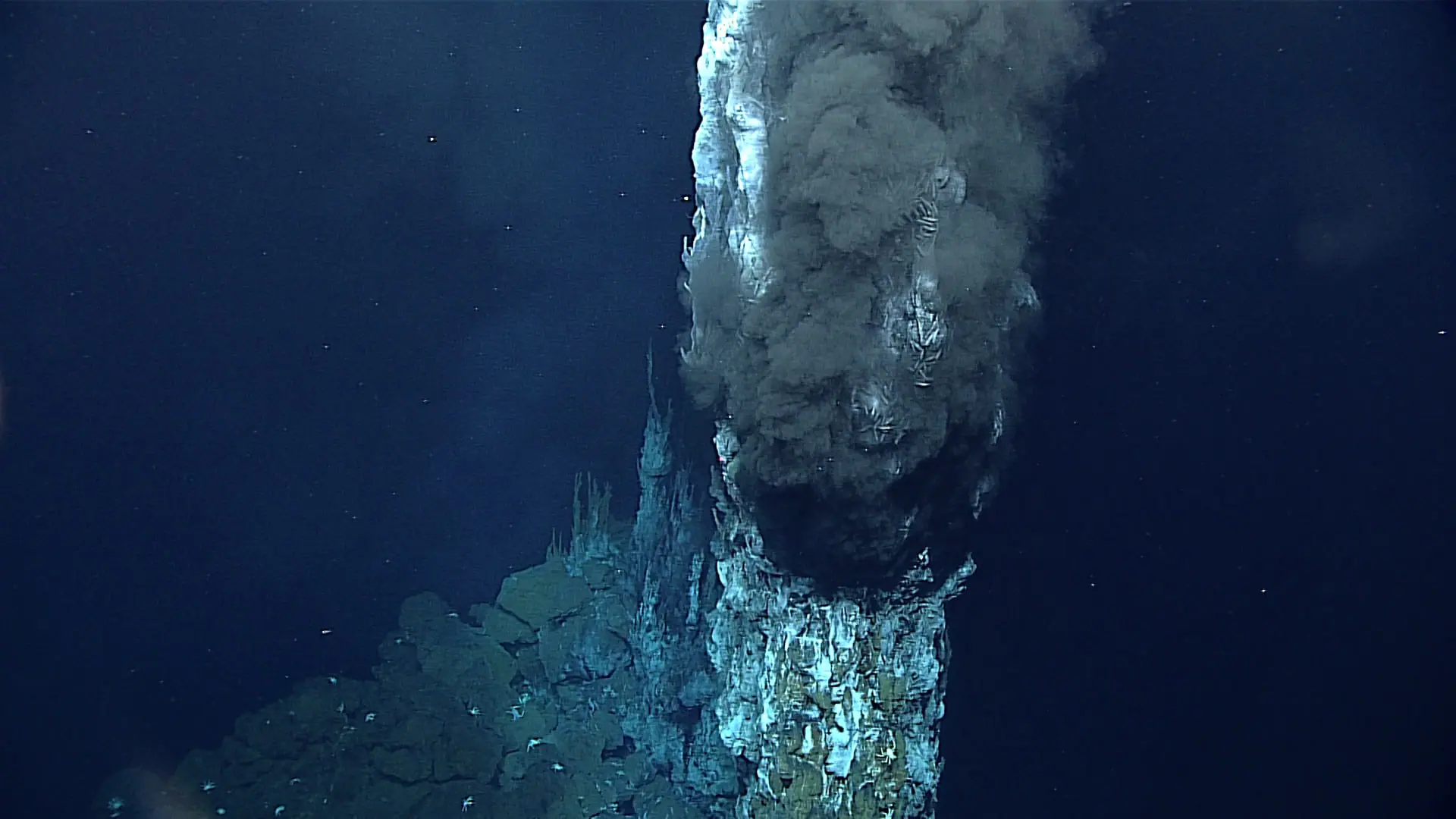
Even on the dark deep seafloor, there are places where life gathers in abundance: hydrothermal vents, where hot water gushes out, and cold seeps, where fluid as cold as the surrounding water oozes up. Here is how the two differ, with NOAA explanations and expedition photos.
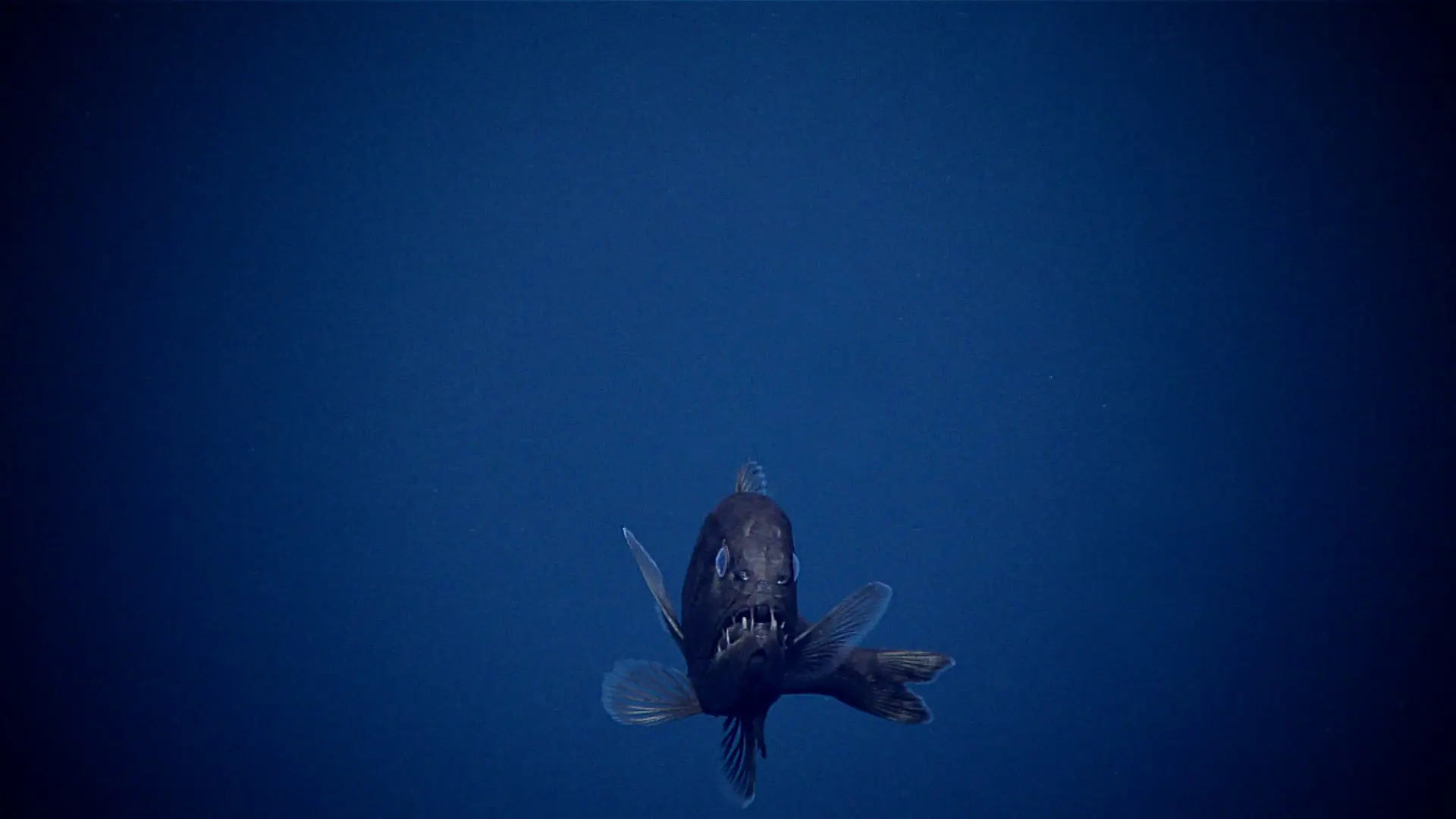
Which deep-sea animal has the biggest teeth? Compared with body size, it is the small fangtooth fish; by the size of the tooth itself, it may be the narwhal. Here are both answers, with NOAA explanations and a photo.
Every day, billions of small animals travel between the ocean's depths and its surface. Here is diel vertical migration, called the largest migration on Earth, and the layer of life that sonar once mistook for the seafloor, explained with NOAA material.
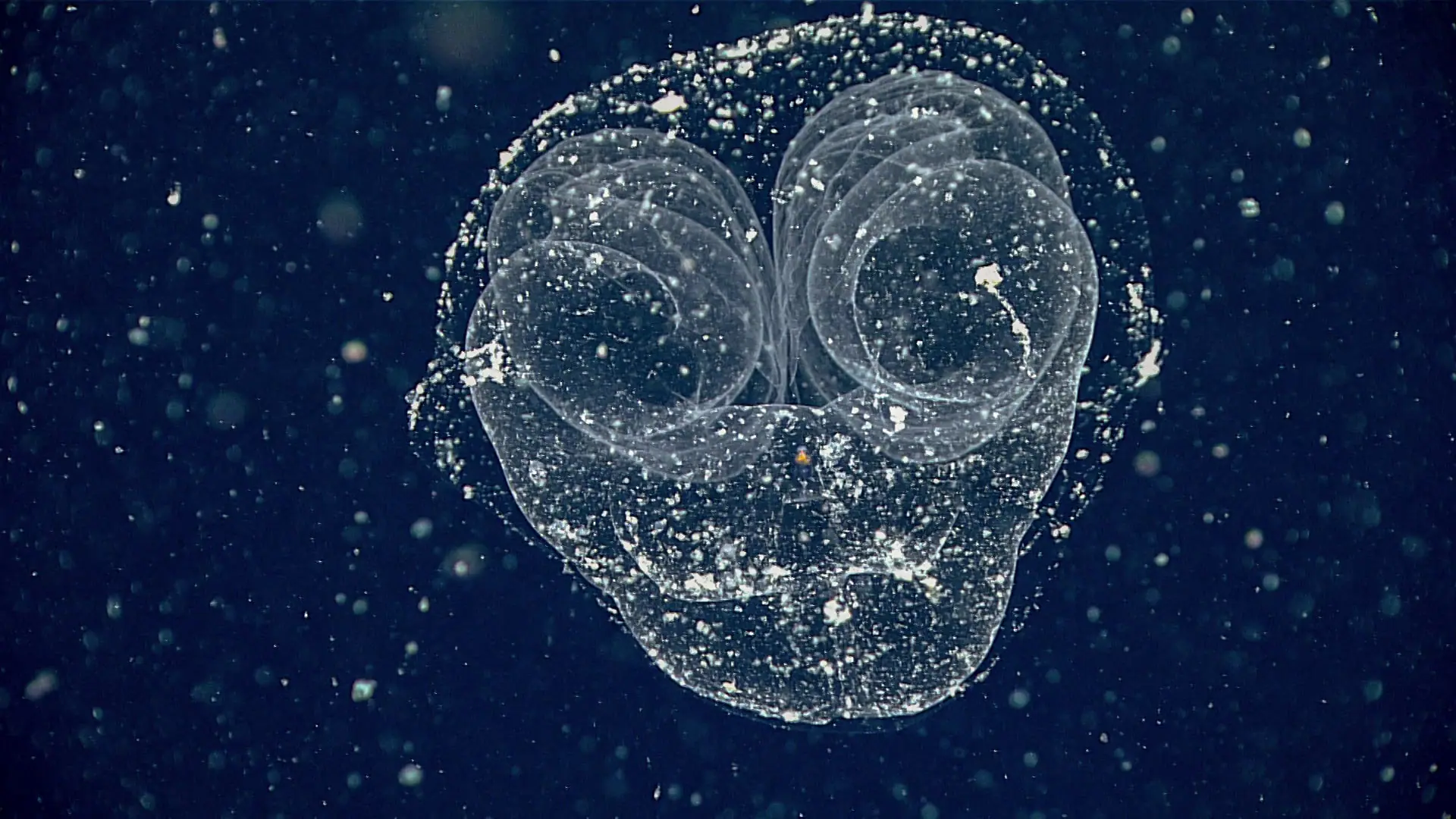
Dive into the deep sea and you may see white flecks drifting through the lights like snow. Here is what this "marine snow" is made of and how it feeds deep-sea animals, through NOAA explanations and exploration photos.
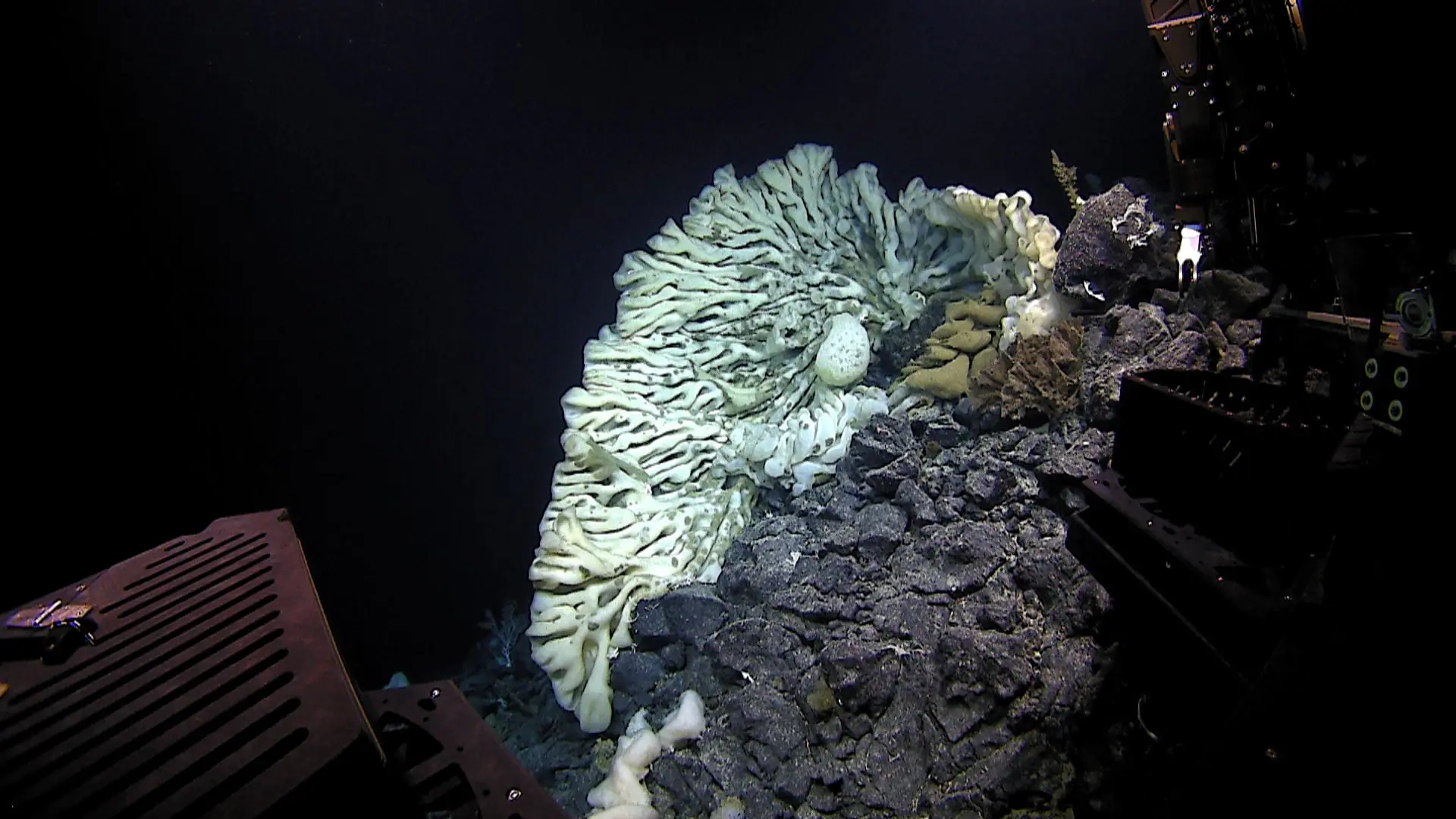
The largest sponge known is about the size of a minivan. It was found in 2015 at 2,130 m in the northwestern Hawaiian Islands. Here is what kind of sponge it is and clues to how long it may live, in NOAA photos.
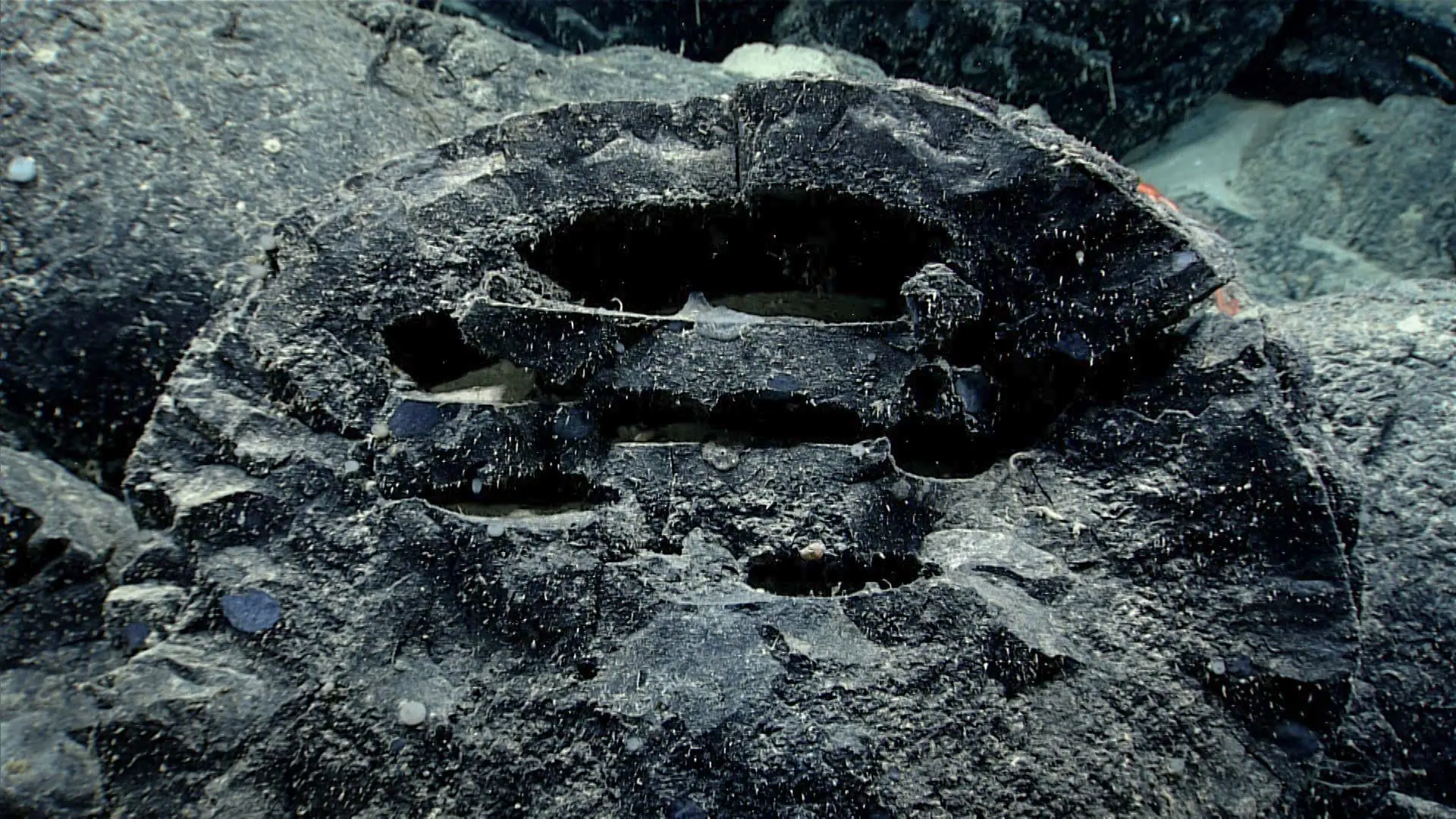
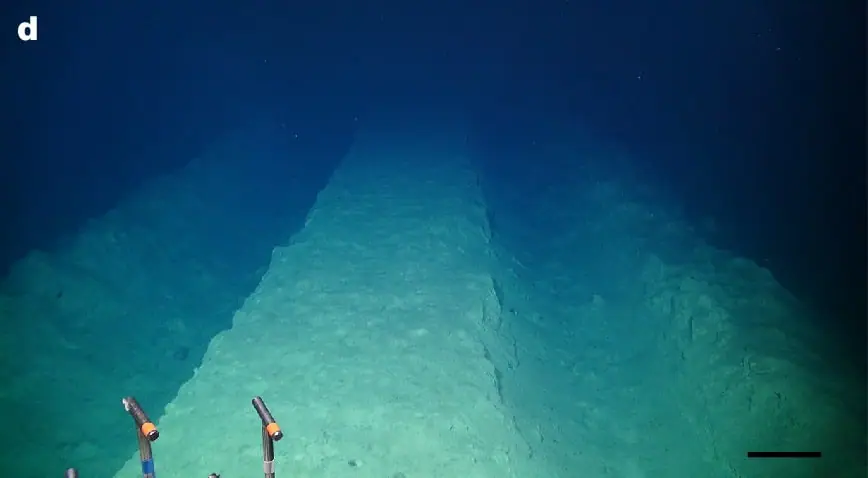
The longest mountain range on Earth is not on land but on the deep seafloor: the mid-ocean ridge, nearly 65,000 km long. Here is why it looks different in the Atlantic and the Pacific, and the mysterious lines of holes found near it, whose origin is still unknown, in NOAA exploration photos.
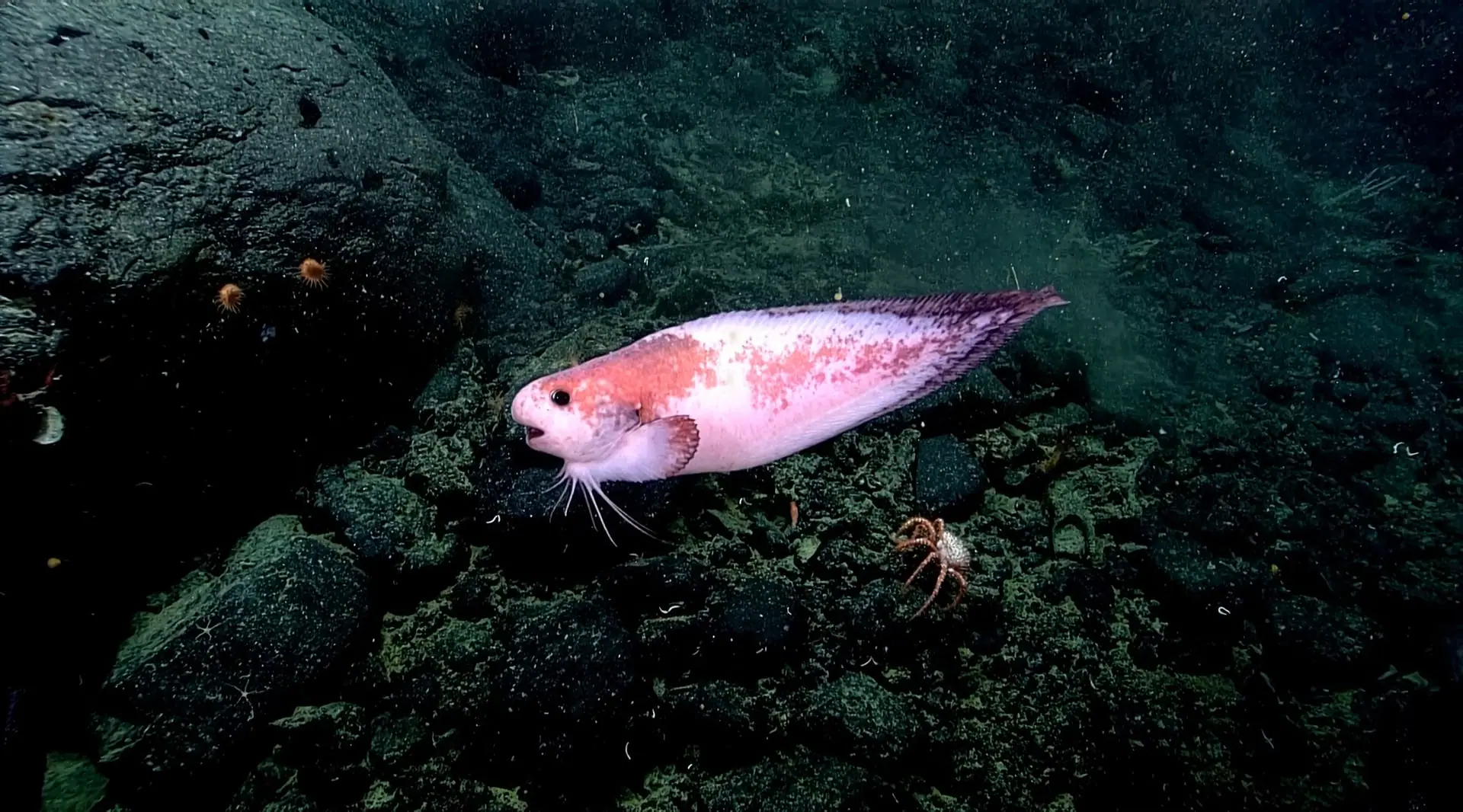
Of all the fish ever confirmed alive, the deepest record is 8,336 m: a snailfish filmed in the Izu-Ogasawara Trench south of Japan. We also look at why no fish are thought to live below about 8,400 m.
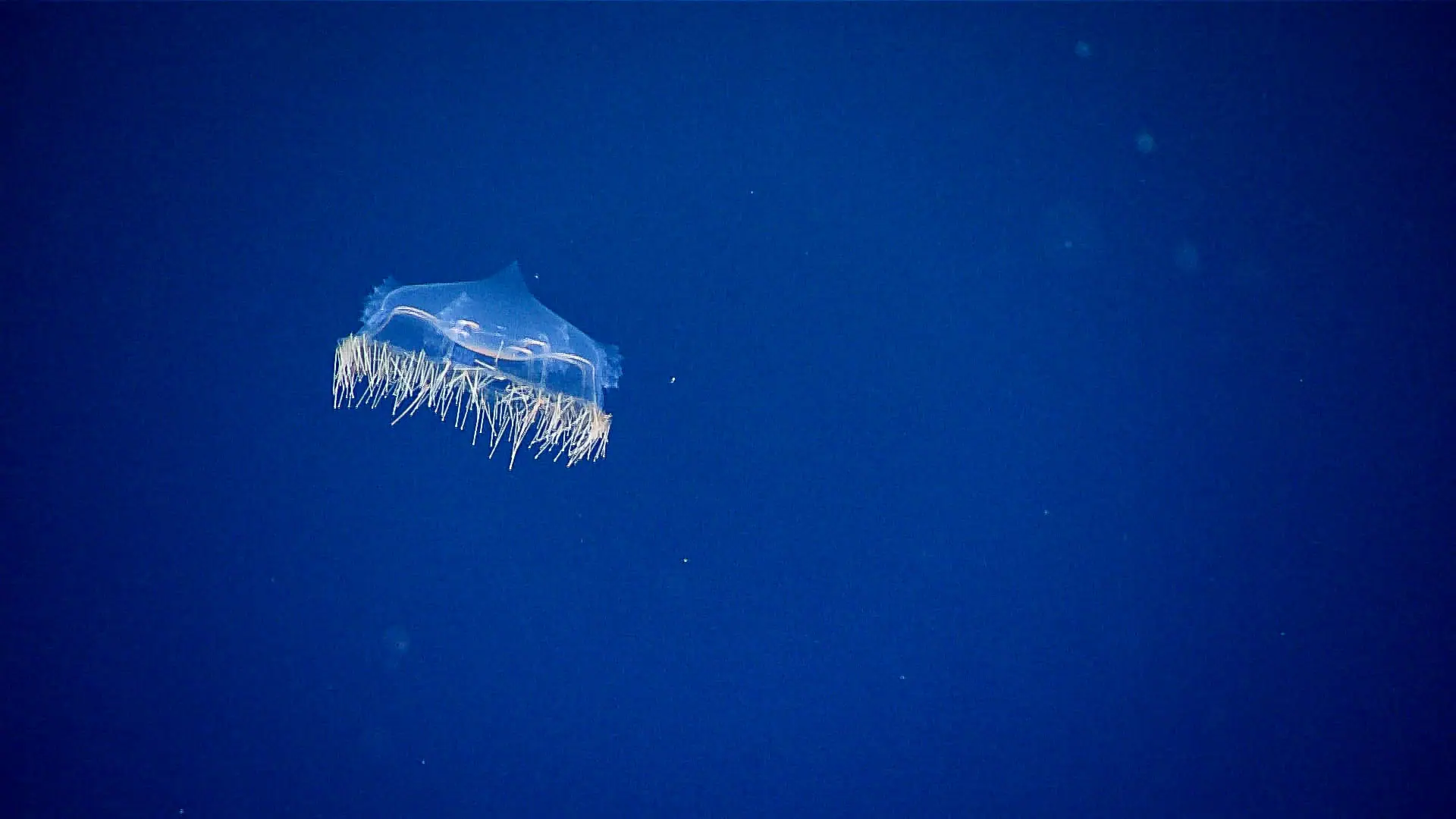
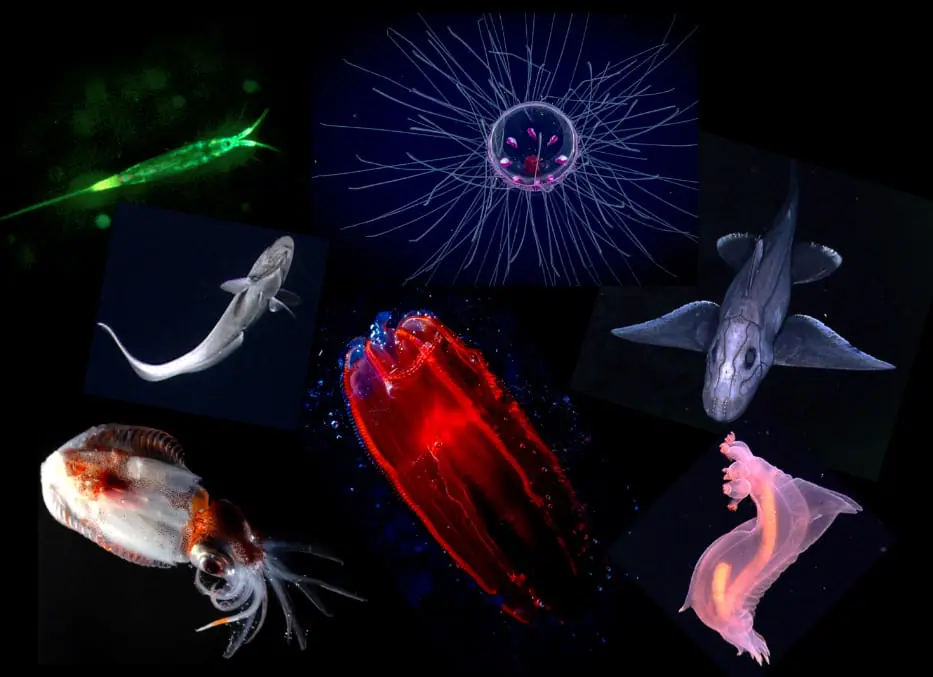
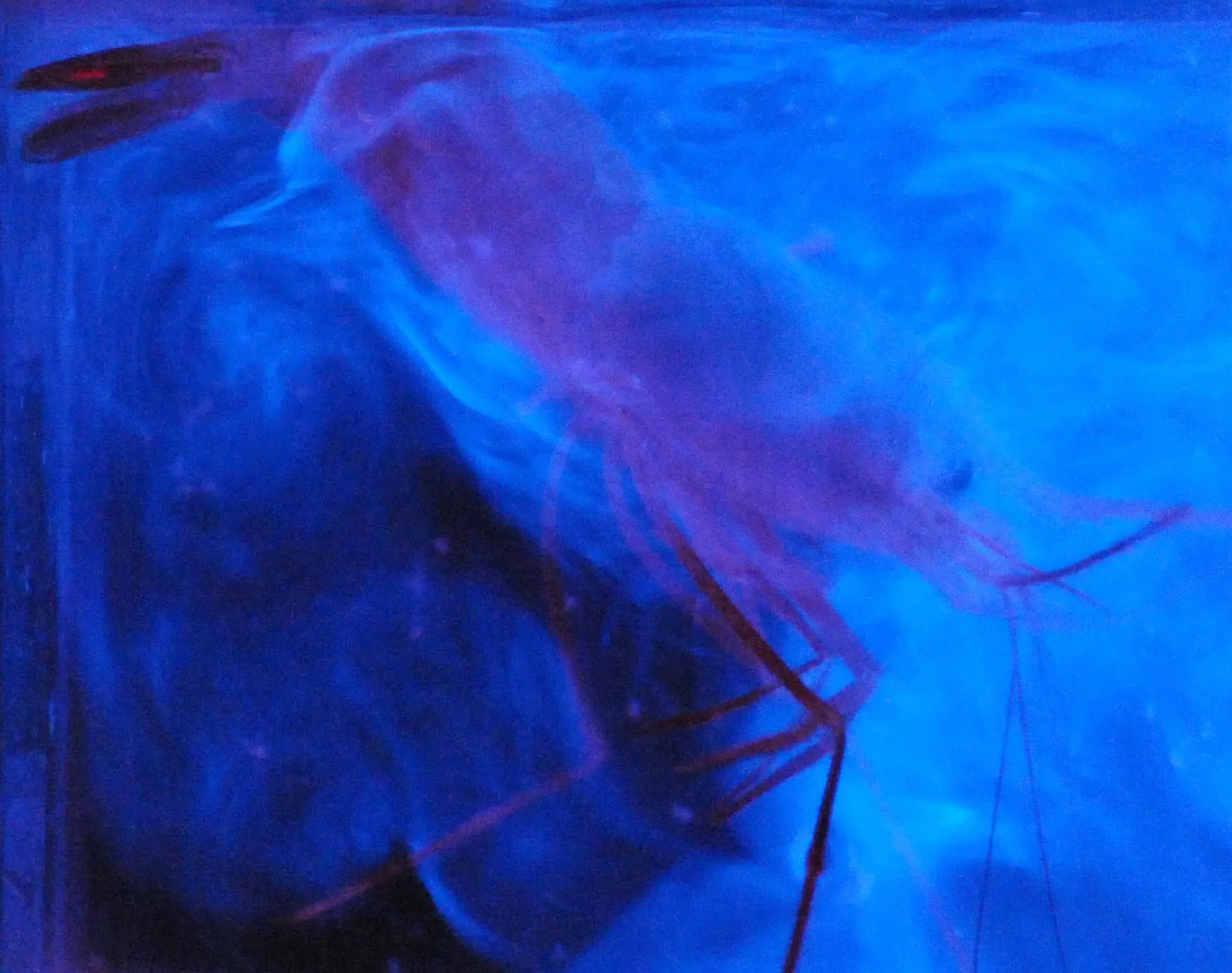
The deep sea is full of animals that make their own light, from a shrimp that spews glowing fluid and a squid with lights on its arm tips to a fish with a glowing "fishing lure" on its chin. Here are how they glow and what the light is for, in seven NOAA photos.
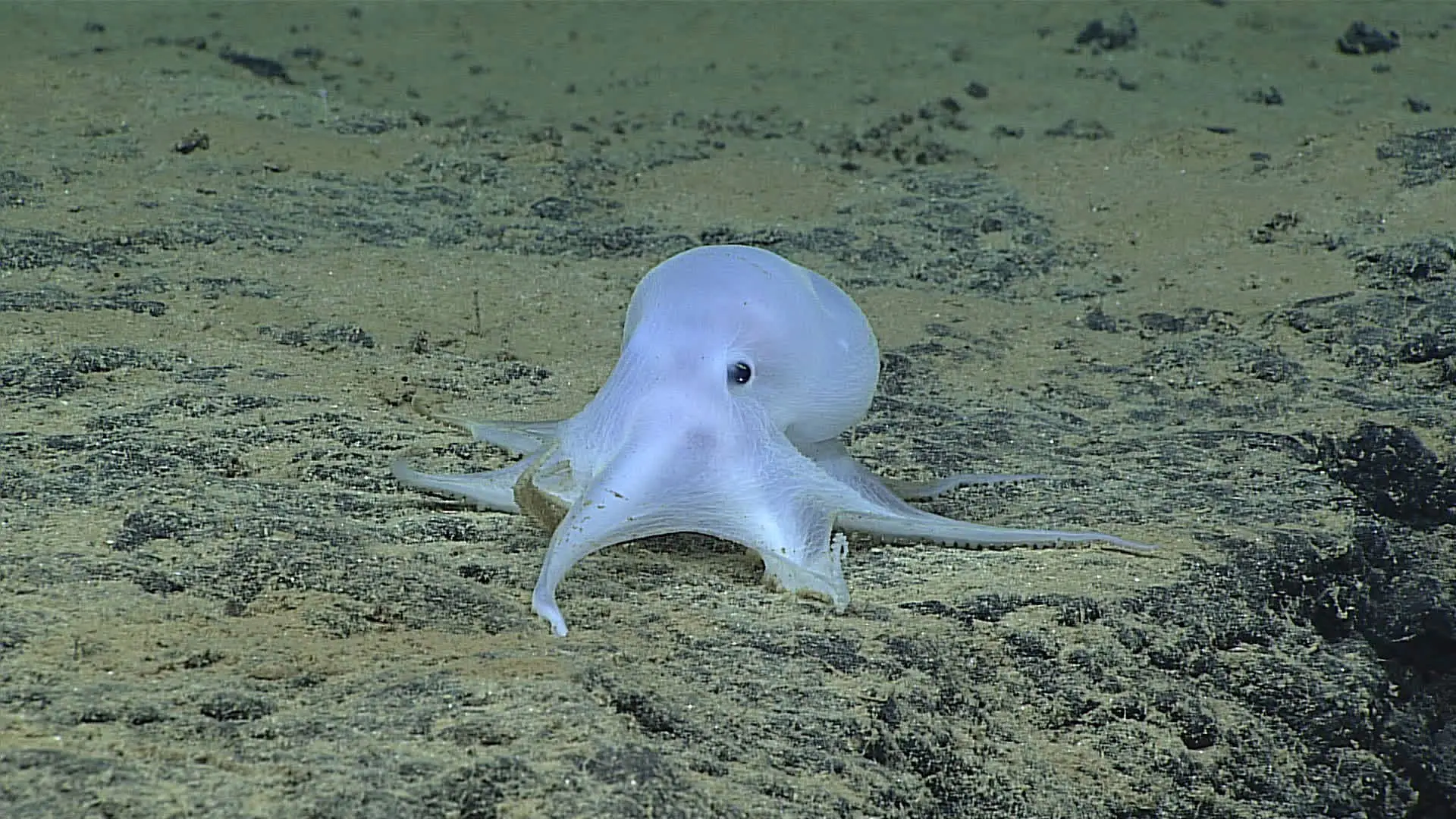
An octopus called "Casper" for its ghostlike look, a sea anemone that resembles a Venus flytrap, and sea stars named after people. Here is the story behind these deep-sea names, with NOAA photos and explanations.
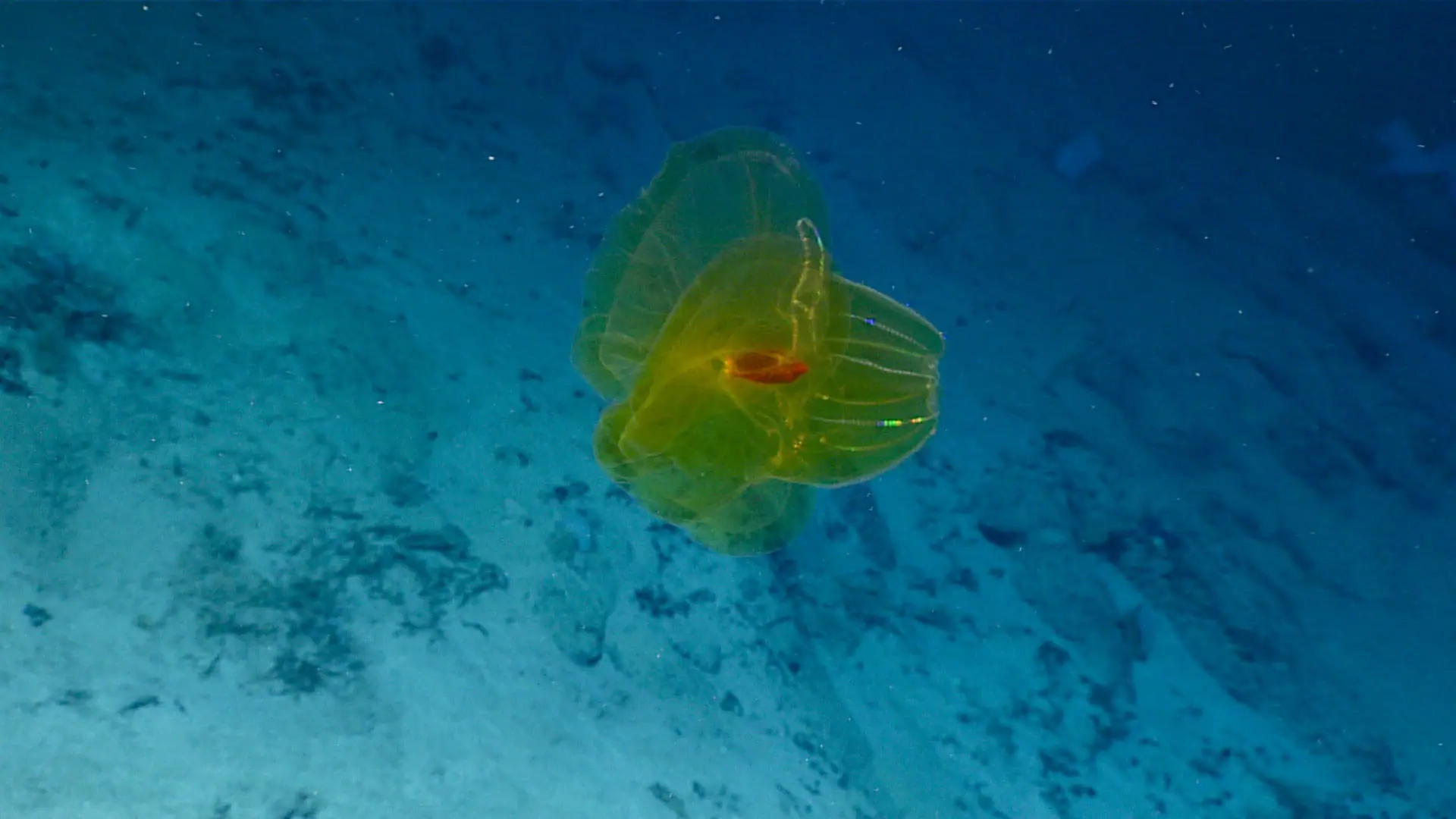
Even in the lightless deep sea, comb jellies that shimmer like rainbows and purple nudibranchs show up under the lights of exploration vehicles. Here they are in NOAA photos, along with why so many deep-sea animals are red.
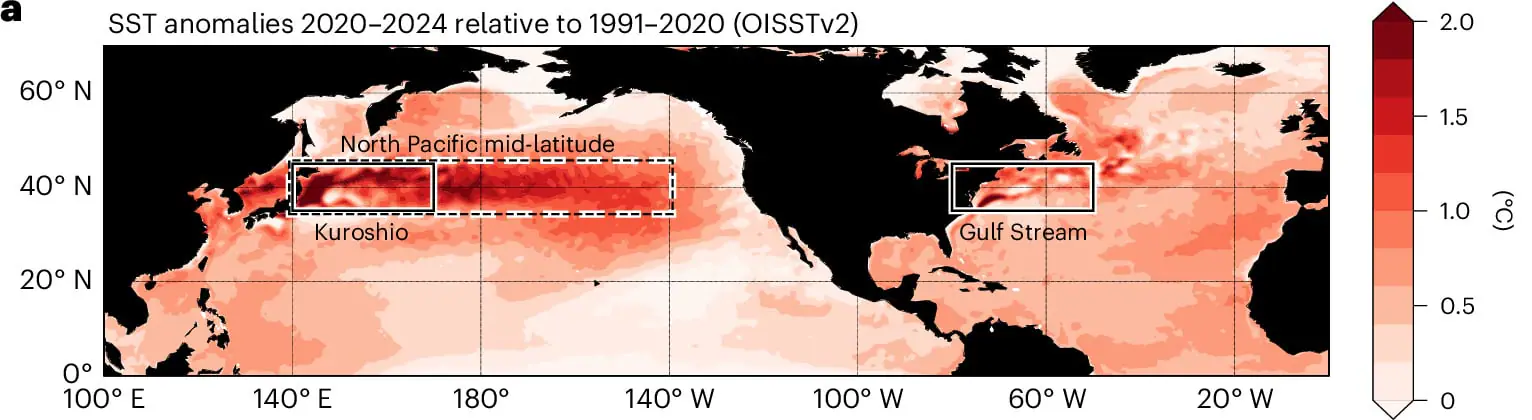
About 13% of the natural sea surface temperature variability around the Kuroshio Extension east of Japan can be explained by variability in the Atlantic's Gulf Stream region, a JAMSTEC-led team showed with climate model calculations.
Japan Agency for Marine-Earth Science and Technology・4 min read
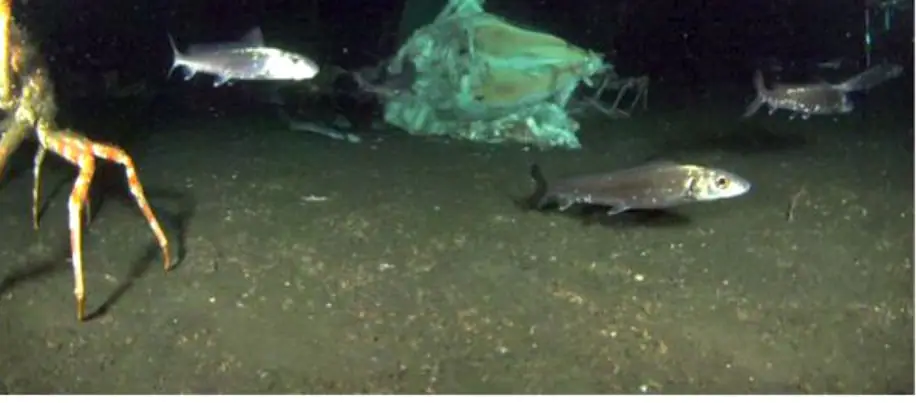
A whale that sinks to the deep seafloor becomes a feast for many animals. Eels and Japanese spider crabs gathered in large numbers at a sperm whale placed at about 500 m in Sagami Bay, Japan.
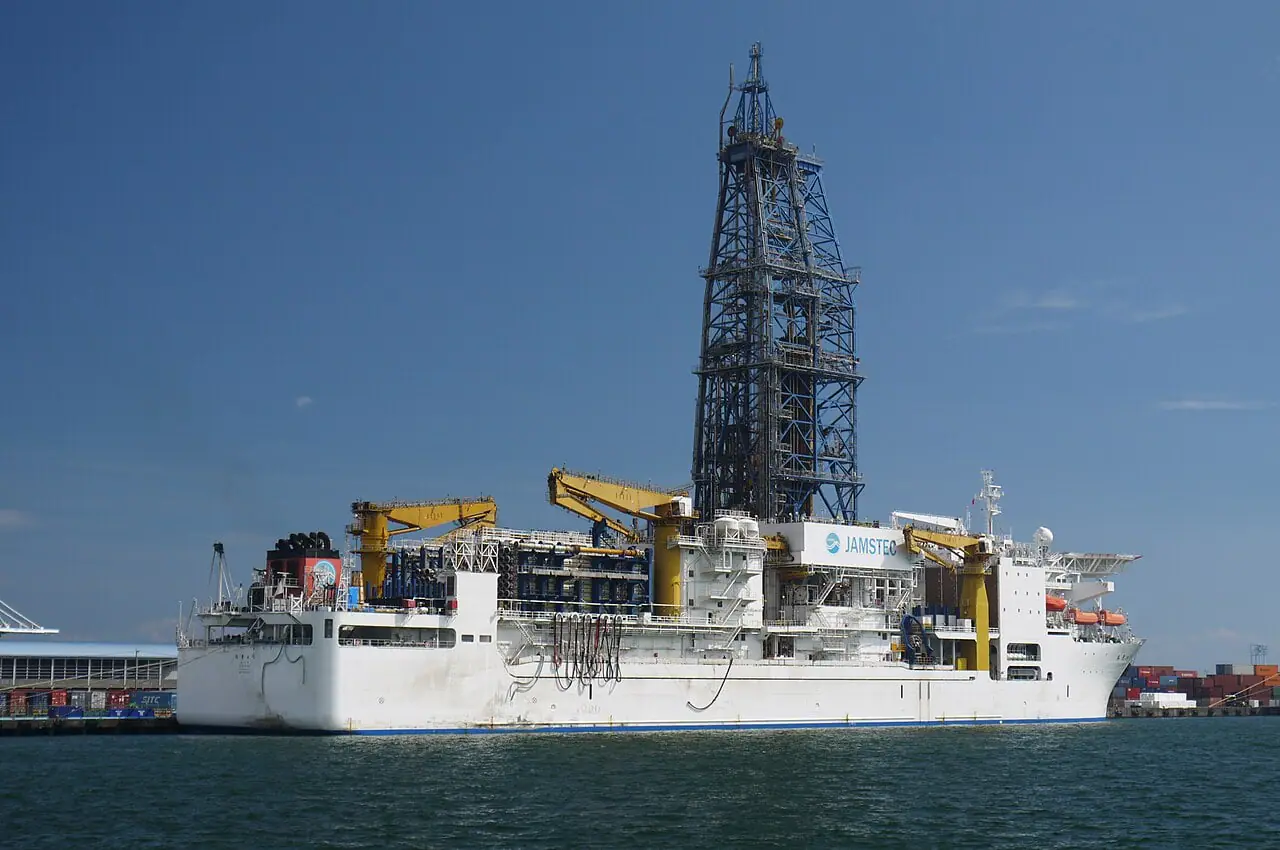
In 2026, the drilling vessel Chikyu lifted rare-earth mud continuously from the deep seafloor off Minamitorishima. A full-scale mining test is planned from February 2027, with an overall evaluation due by March 2028.
Japan Agency for Marine-Earth Science and Technology・4 min read
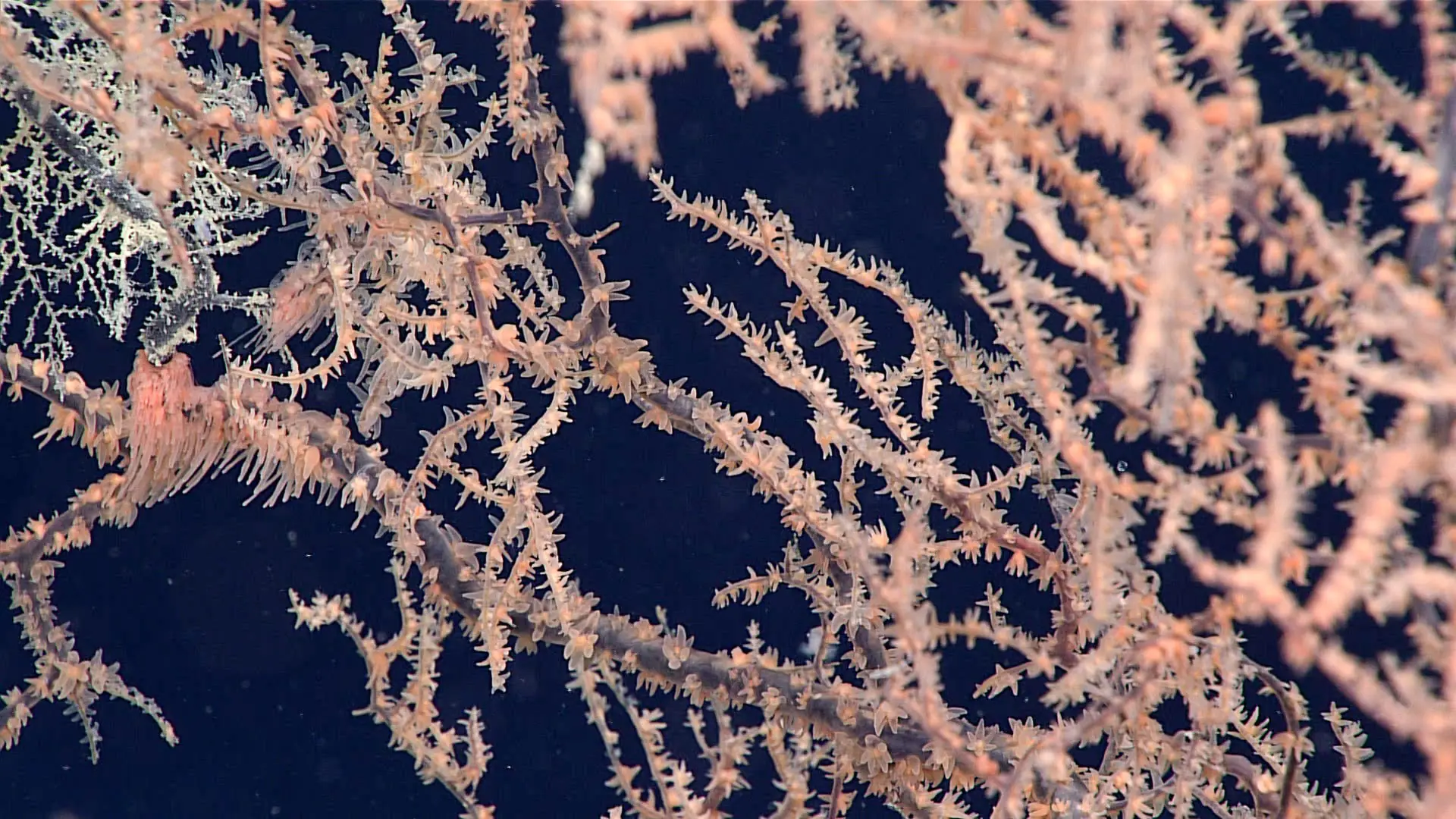
A deep-sea black coral near Hawaii turned out to be about 4,265 years old by carbon dating. The Greenland shark, sometimes photographed in the deep sea, is thought to live for centuries. Meet the slow-living elders of the deep.
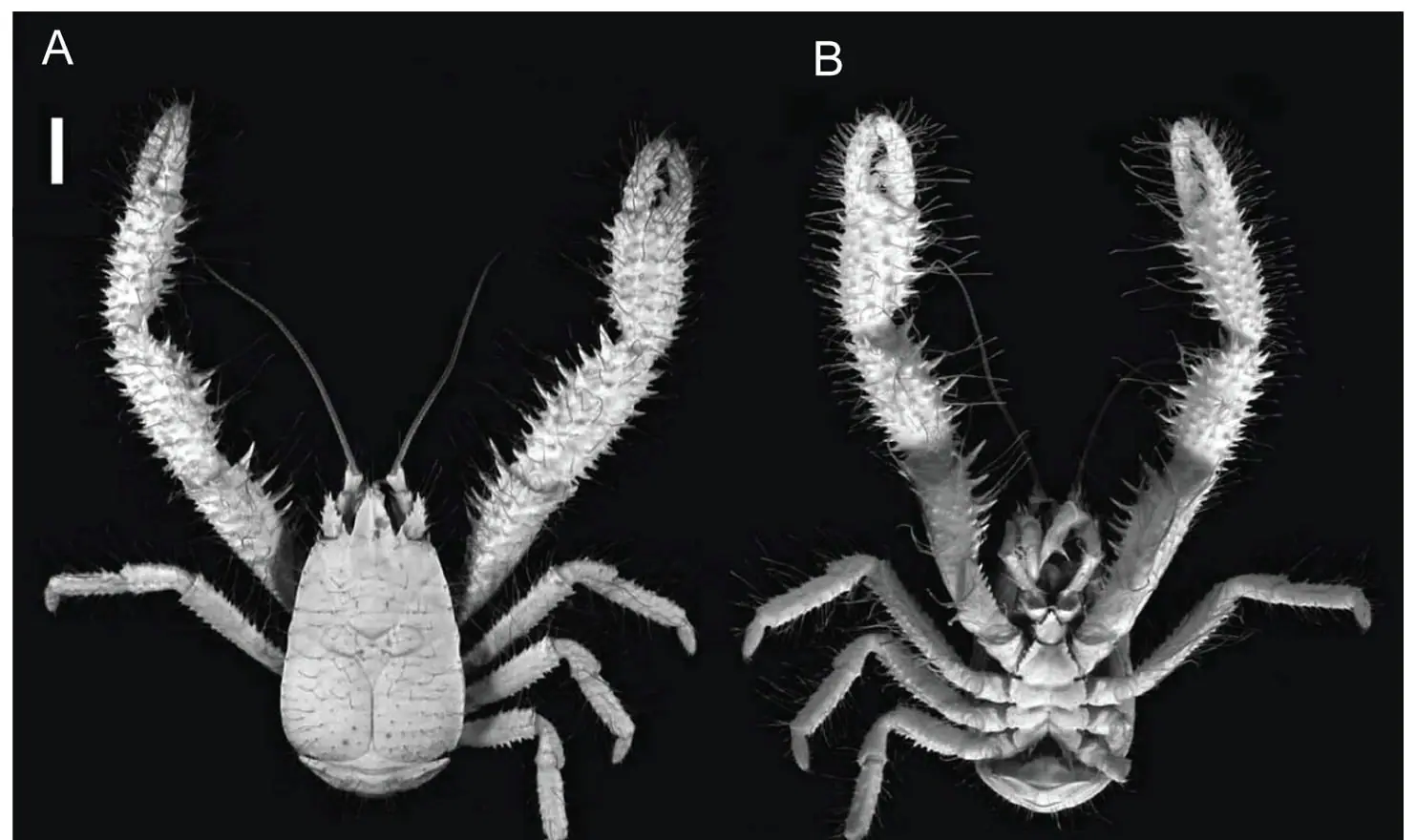
Shinkaia crosnieri, a squat lobster from the Okinawa Trough, lives on the bacteria growing on its chest hair. A hairy yeti crab off Costa Rica may even wave its claws to grow its own bacteria.
Japan Agency for Marine-Earth Science and Technology・4 min read
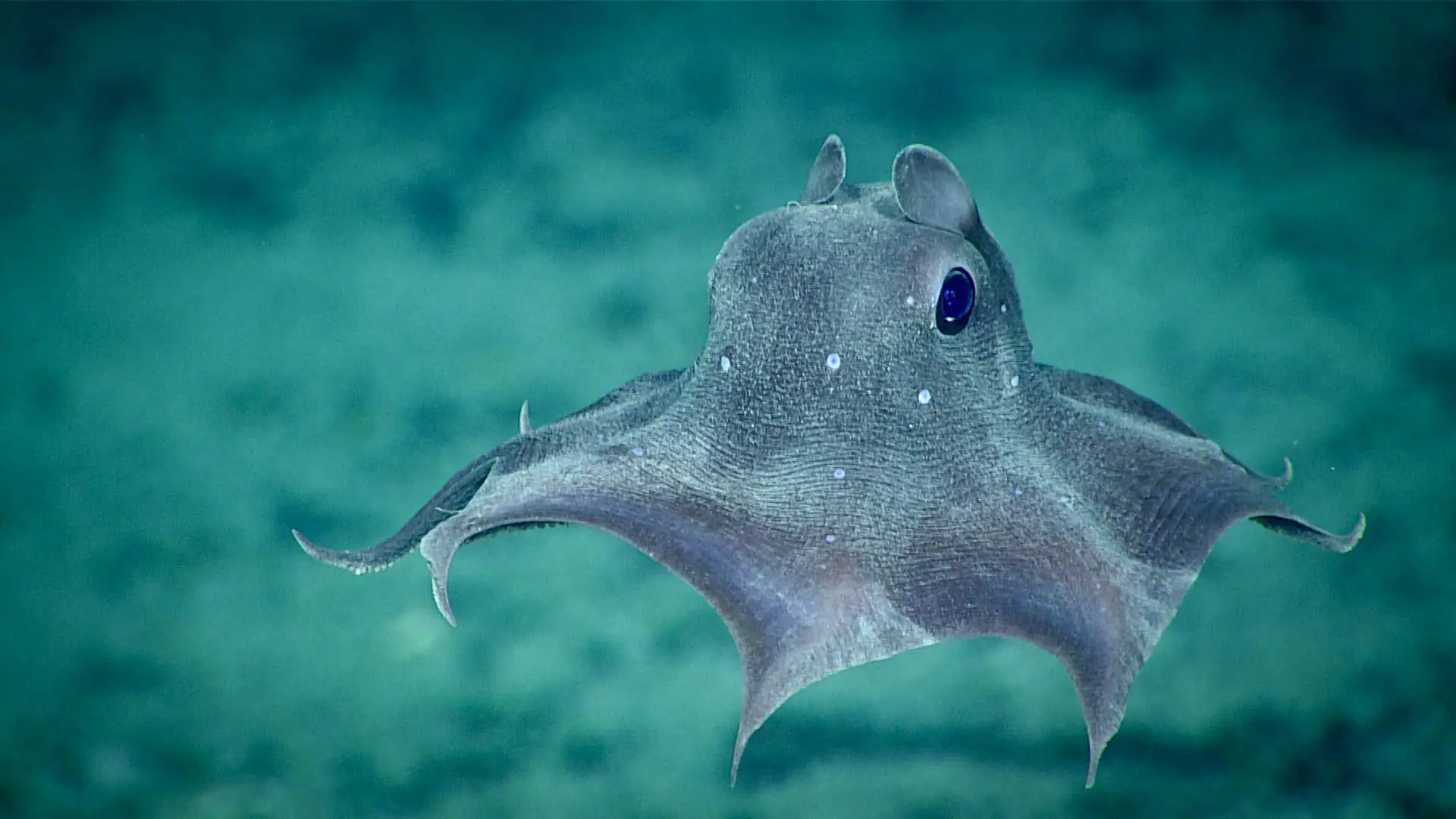
The dumbo octopus's "ears" are fins it relies on after all but giving up jet propulsion. Five NOAA deep-sea photos show the reasons behind some charmingly relaxed faces.
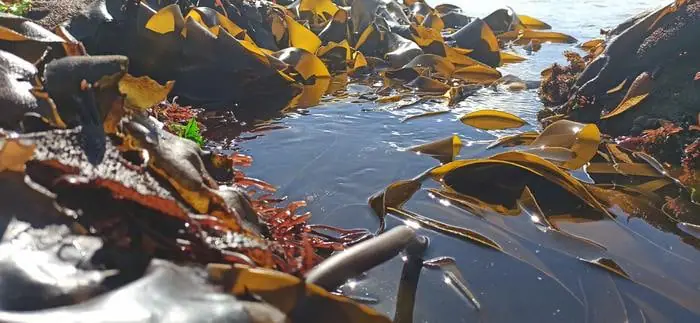
Without a mate nearby, the kelp Laminaria pallida shifts towards reproducing without fertilisation. Yet among 523 wild individuals, researchers found no clear trace of asexual reproduction.
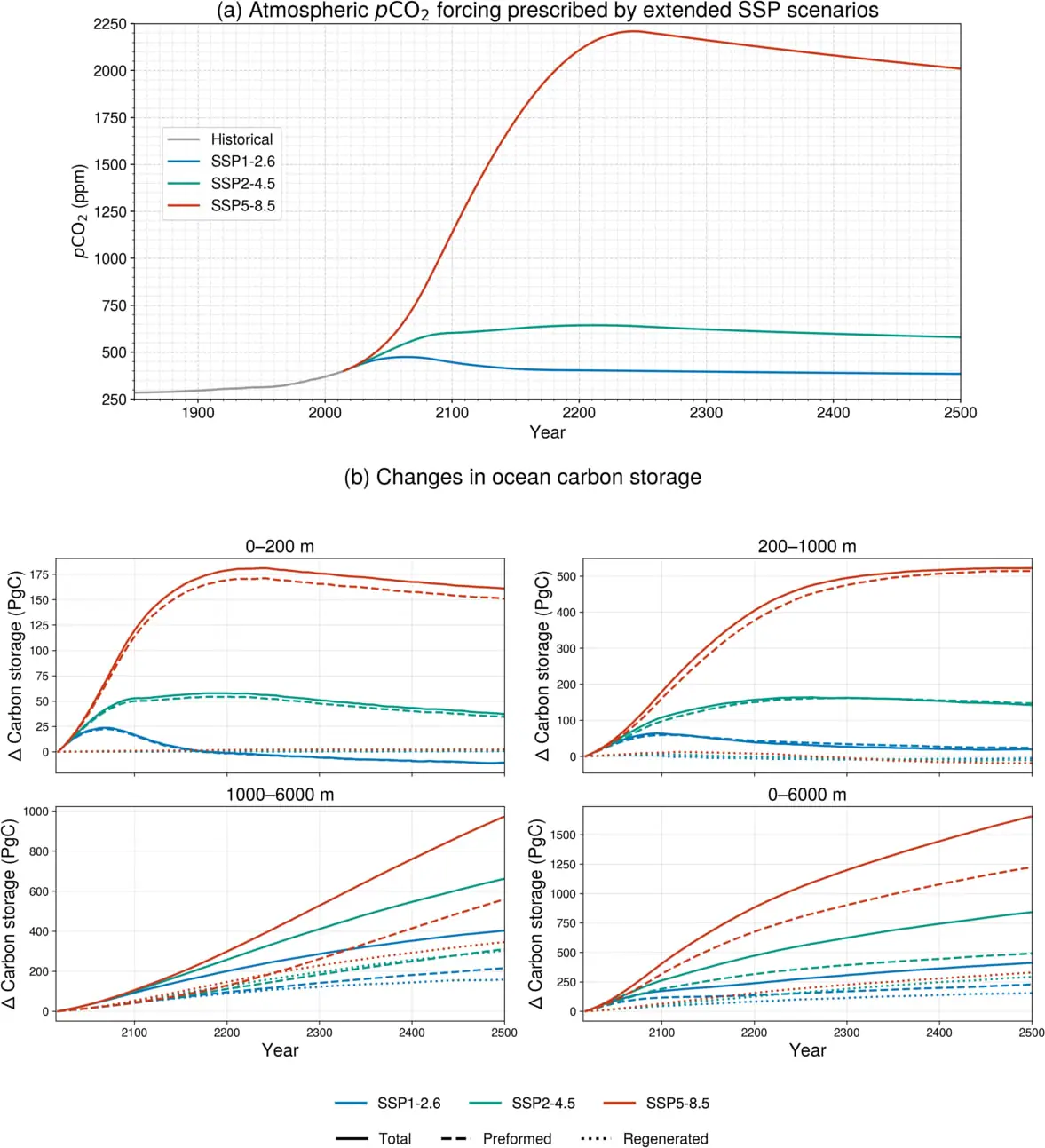
Even after atmospheric carbon dioxide starts to fall, anthropogenic carbon keeps accumulating below 1,000 m until the year 2500, according to projections by a University of Toyama-led group using a Japanese Earth system model.
University of Toyama, NIES, Chiba University, JAMSTEC, AORI・5 min read
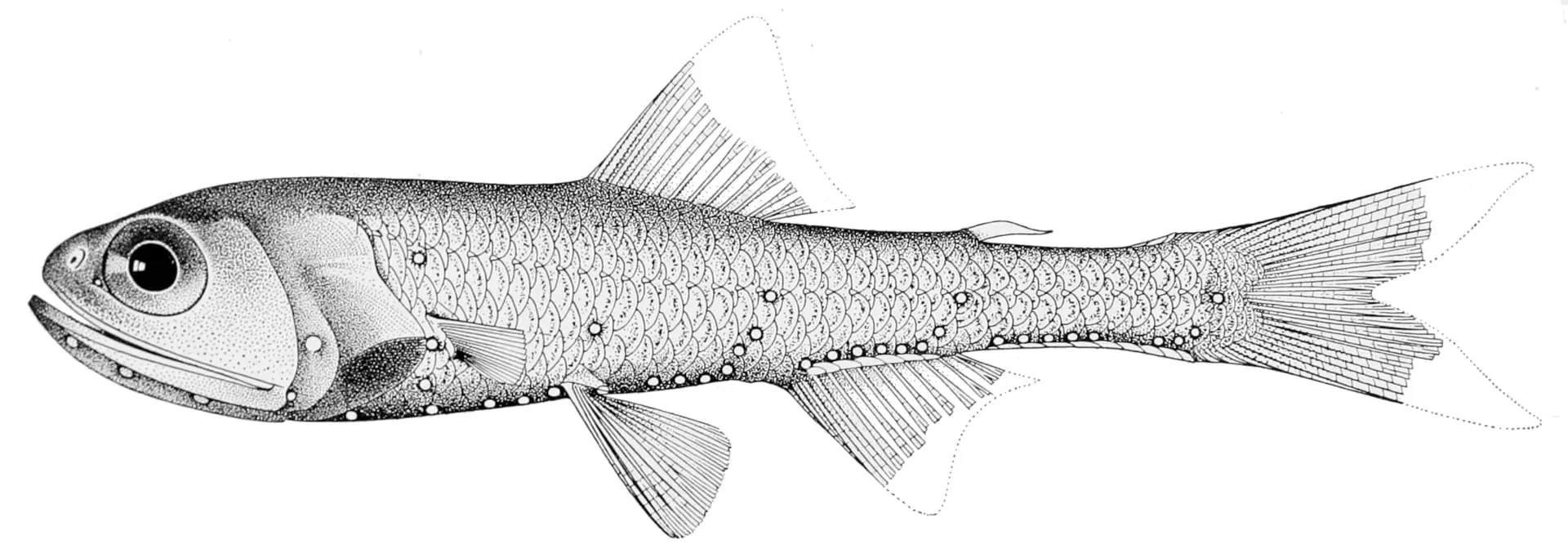
One lanternfish species in the deep Gulf of Mexico lost 7–8% of its genetic diversity in 12 years. All five species studied had few individuals passing genes to the next generation, a warning sign of extinction risk.
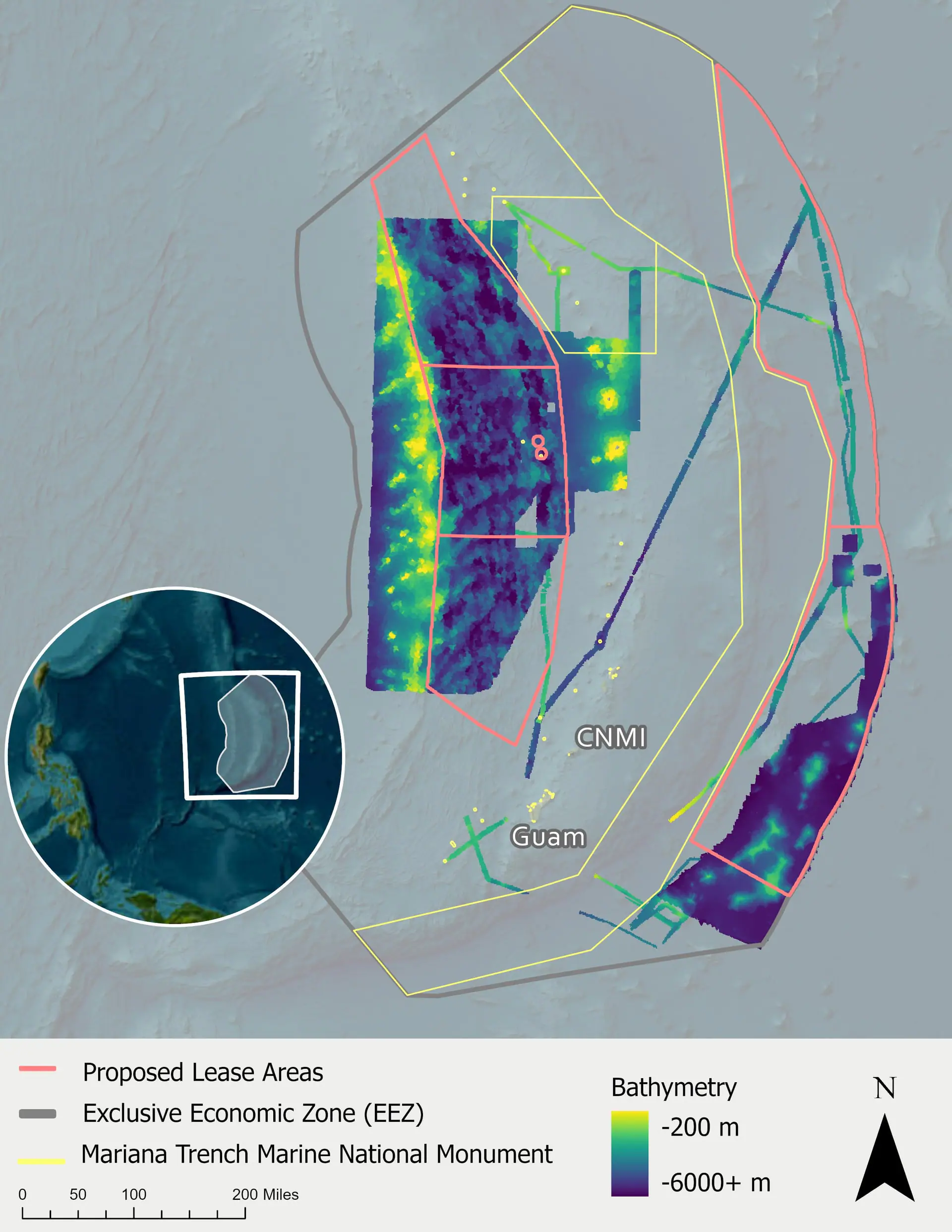
About 289,700 km² of deep seafloor around the Northern Mariana Islands and Guam, more than all five Great Lakes combined, has been newly mapped in two years. Mineral exploration leases are being prepared for the U.S. EEZ around the Northern Mariana Islands.
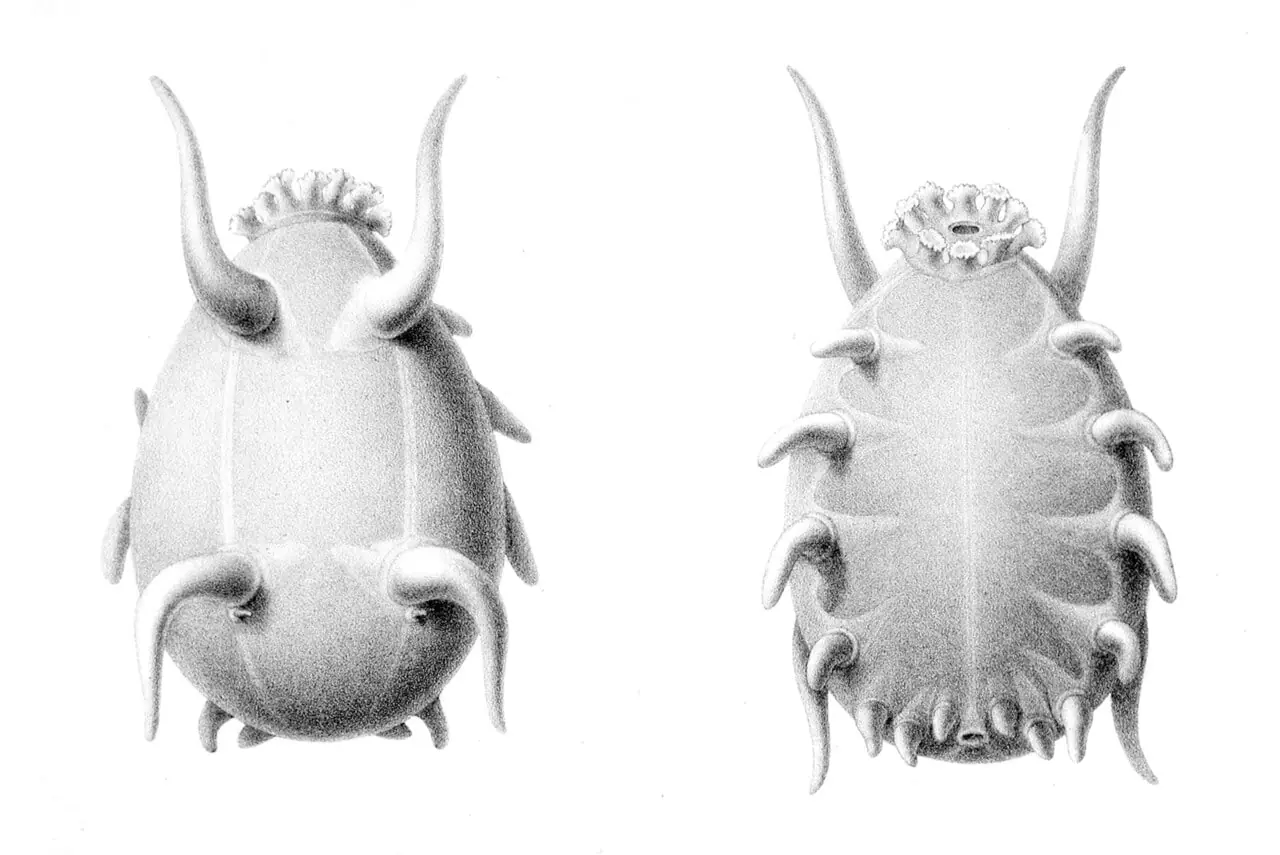
In deep-sea sea pigs, a single bacterium made up more than 70% of the bacteria in the body wall. A team including the University of Tokyo proposed it as a new genus and species, with a genome about one-seventh the size of E. coli's.
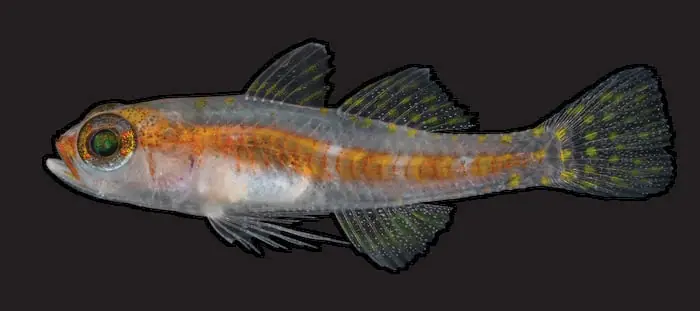
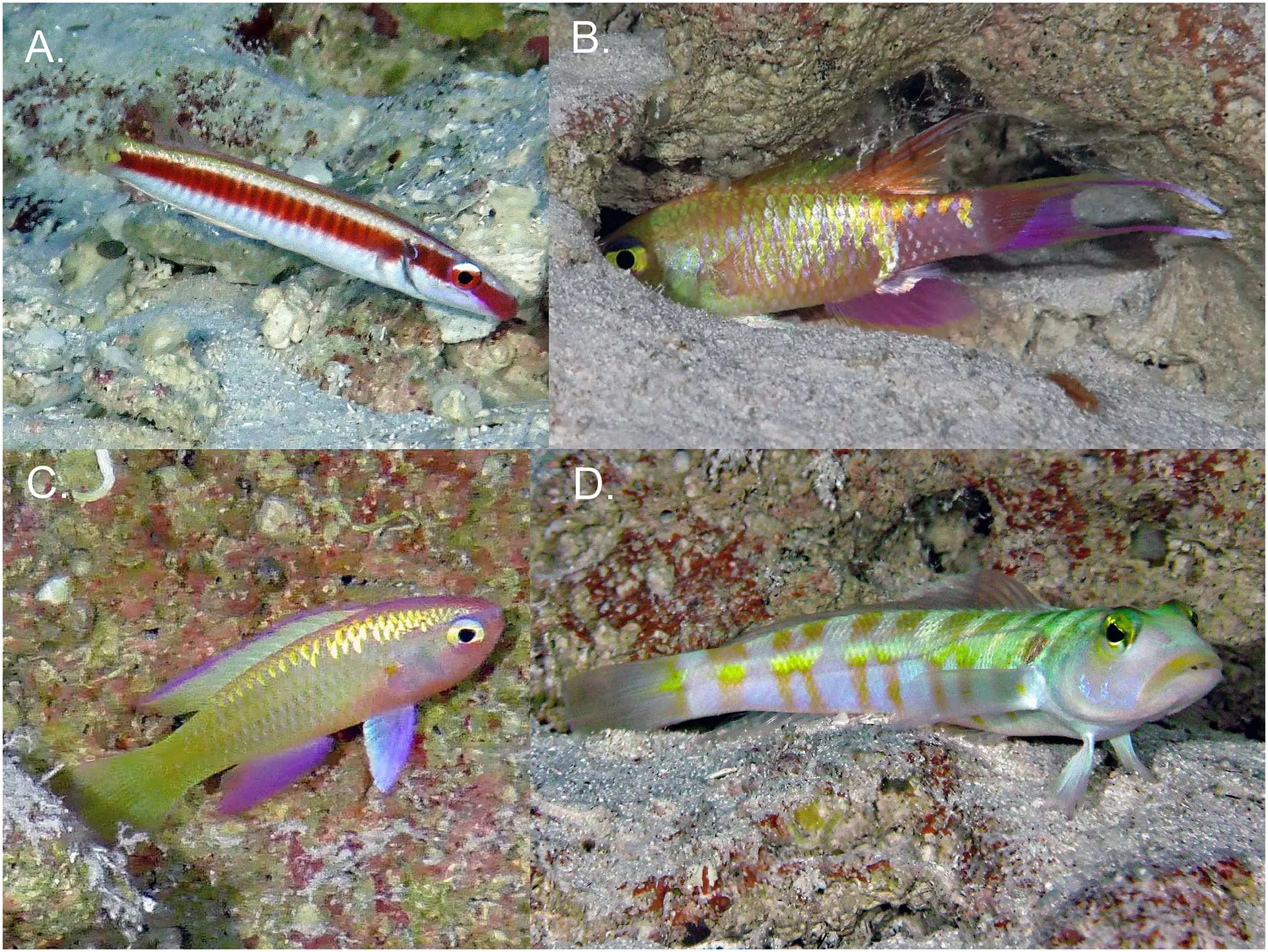
A new goby known from just two fish, 12 and 17 mm long, has been described from 30 m deep in the northern Red Sea. Its name likens the golden spots on its tail to the coins paid to Charon, the ferryman of the underworld.
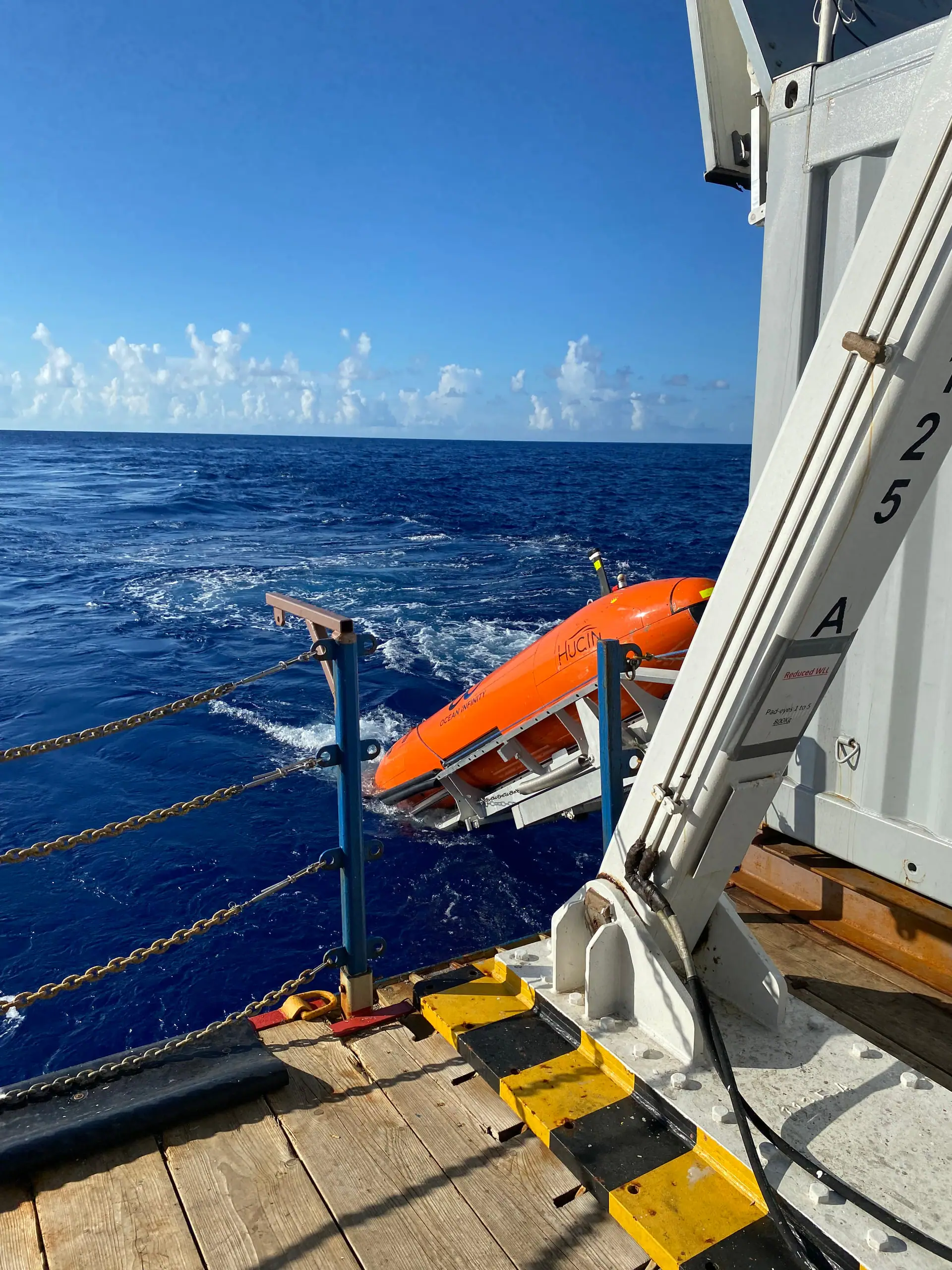
NOAA is testing three autonomous underwater vehicles rated to 6,000 m from the ship Okeanos Explorer off Hawaii. The HUGIN 6000, the largest AUV the ship has ever carried, is to run survey lines up to 150 km long on its own.
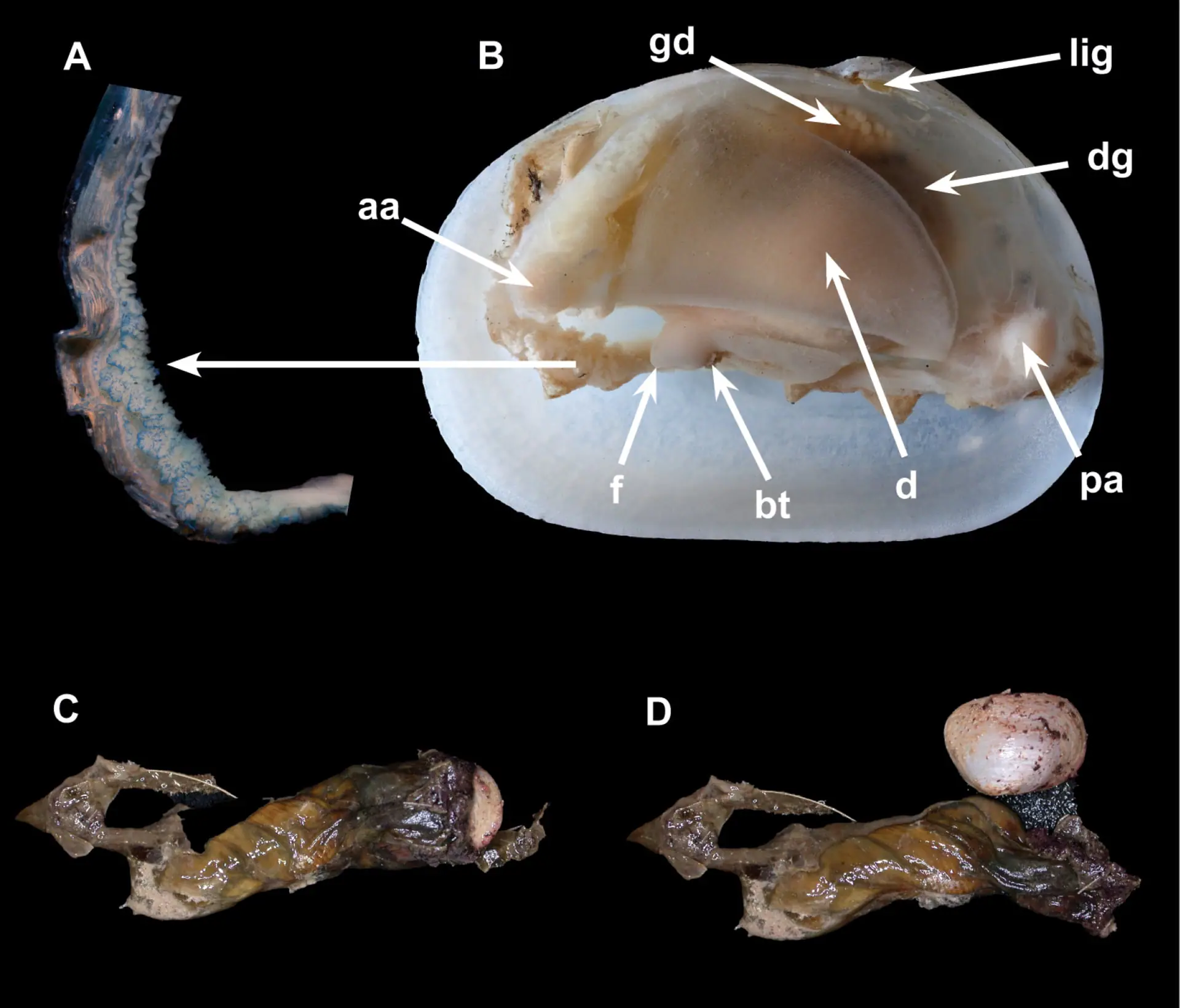
A clam up to about 2 cm long that lives inside the esophagus of a sea urchin some 4,000 to 5,000 m deep off southern Australia has been described as a new species. A 150-year-old urchin specimen turned out to hold its relatives too.
After each of six major eruptions, from Krakatau in 1883 to Pinatubo in 1991, the global cumulative intensity of extreme ocean cold was briefly higher than before the eruption.
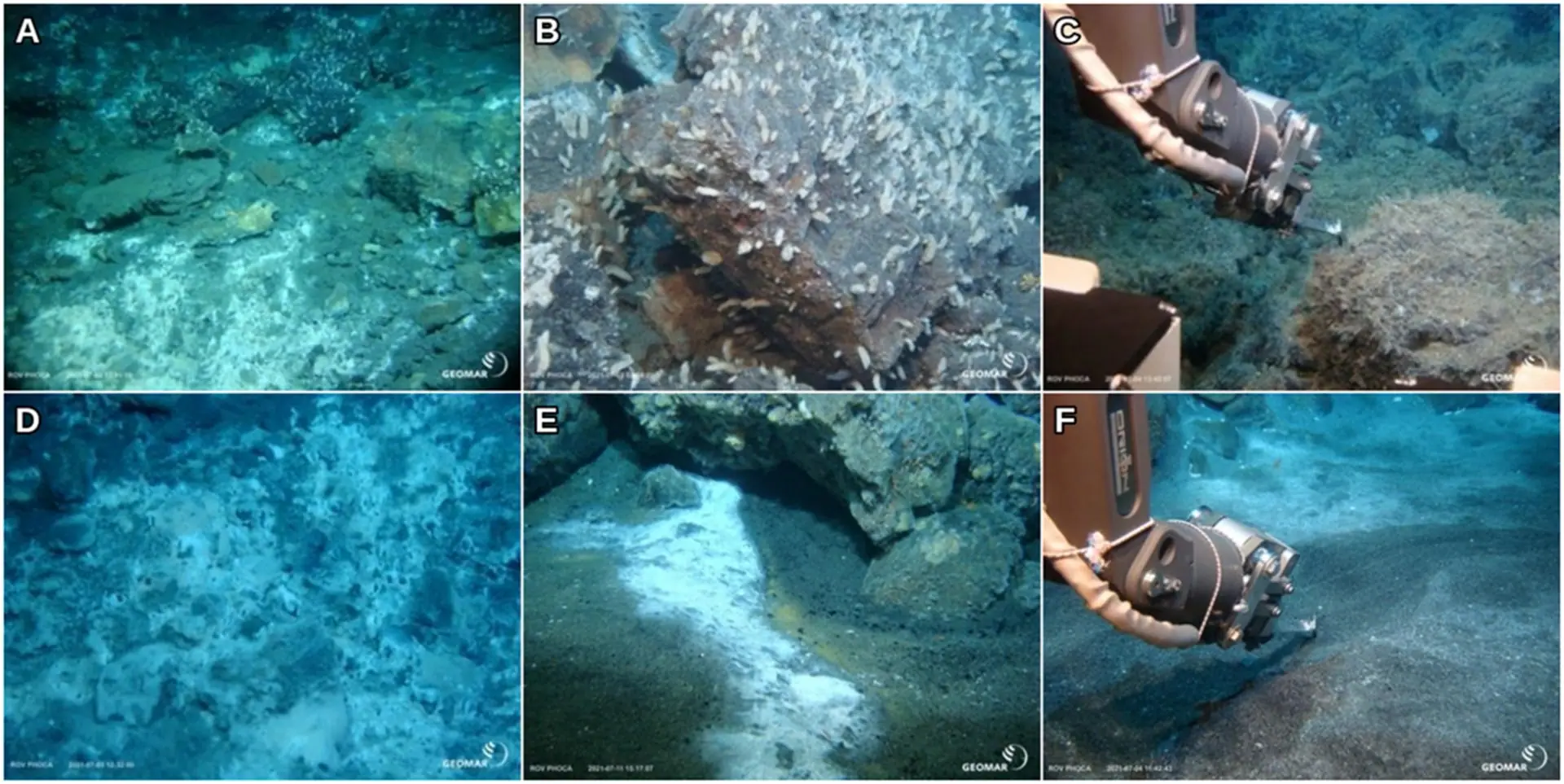
Around chimneys venting fluid at up to 251 °C some 400 m down off northern Iceland, the animals identified to species were widespread species of the surrounding shelf and slope. A new paper compares two Icelandic vent fields.
A 770 m fiber-optic cable towed behind a ship listened to the sea while also measuring its own depth. In open-sea trials, a Harbin Engineering University team tracked a source 5.7 km away and measured a significant wave height of 1.41 to 2.66 m.
Among peanut worms collected at 225 to 1,224 m off Japan are two new species with saw-toothed hooks never before reported in the group. Their ancestors probably used sunken wood and animal remains as stepping stones to reach hydrothermal vents.
University of the Ryukyus and Japan Agency for Marine-Earth Science and Technology・5 min read
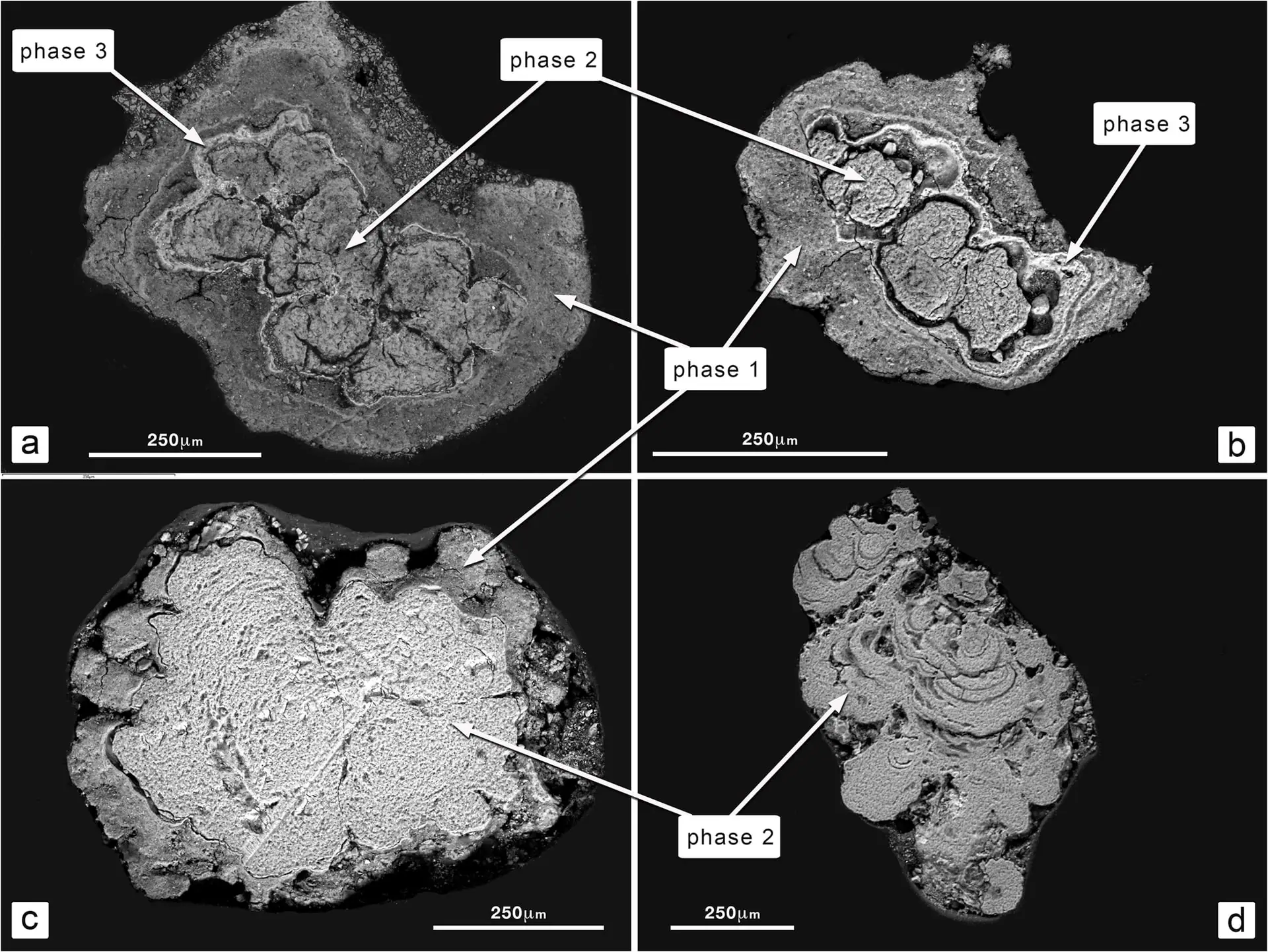
Researchers dissected 244 polymetallic nodules from the Pacific abyss and found 4,139 small animals living in their crevices. One nodule held 245, and the residents differed from those in the surrounding mud.
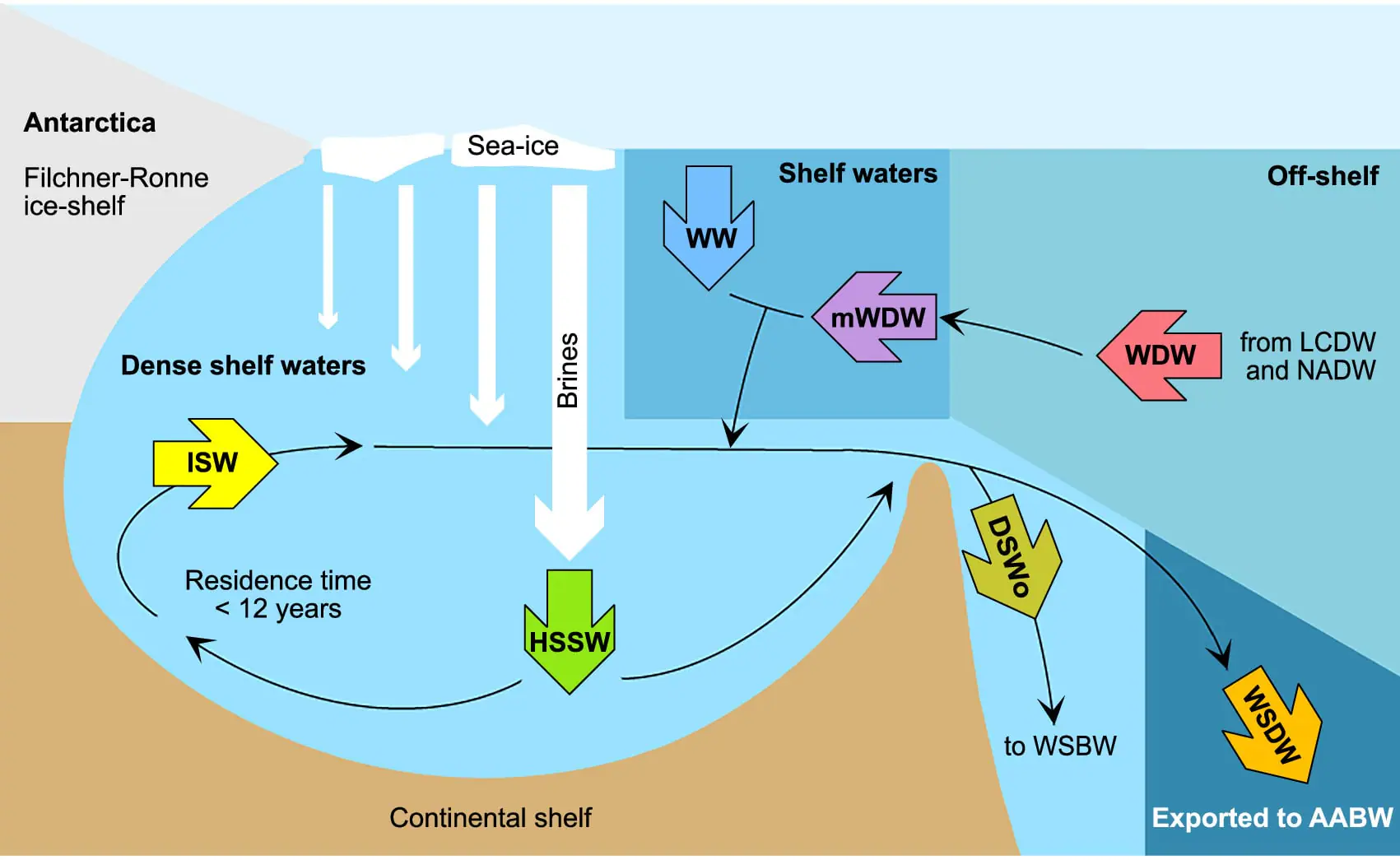
Dense water sinking in the Weddell Sea lingers on the shelf for 6 to 12 years. New organic matter is likely broken down in that time, and the dissolved organic matter exported to the abyss barely changes.
Alfred Wegener Institute, Helmholtz Centre for Polar and Marine Research・5 min read
A paper reports a survey of the two northernmost, uninhabited atolls of the Marshall Islands from land down to 2,000 m. Sharks made up the largest share of reef fish biomass, and 14 fish taxa that apparently had not been recorded in the country were seen in deeper water.
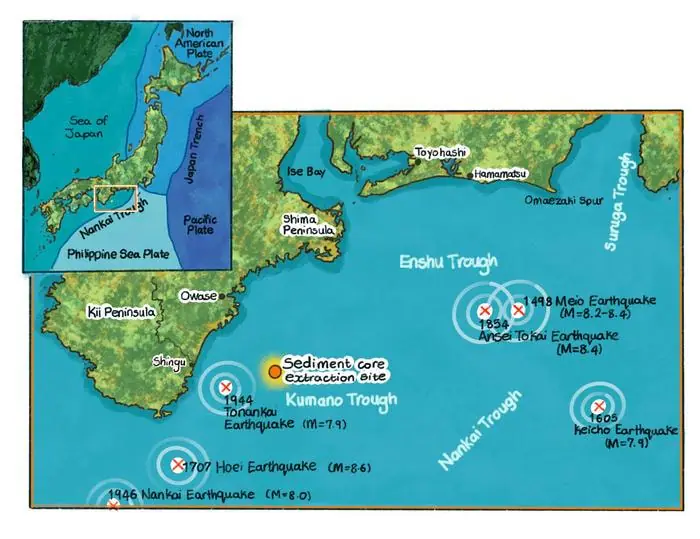
Seafloor mud that looked uniform to the naked eye held seven layers with reversed ages. The University of Tokyo dated Kumano Trough sediment every 0.5 to 1 cm and compared the layers with the 1707 Hoei earthquake and other events.
Mud from 5,200 m deep in the Brazil Basin of the South Atlantic holds 323 to 629 µg of rare earths per gram, an order of magnitude below the richest western Pacific mud. A Russian team links the gap to how fast the mud builds up.
Shirshov Institute of Oceanology, Russian Academy of Sciences・6 min read
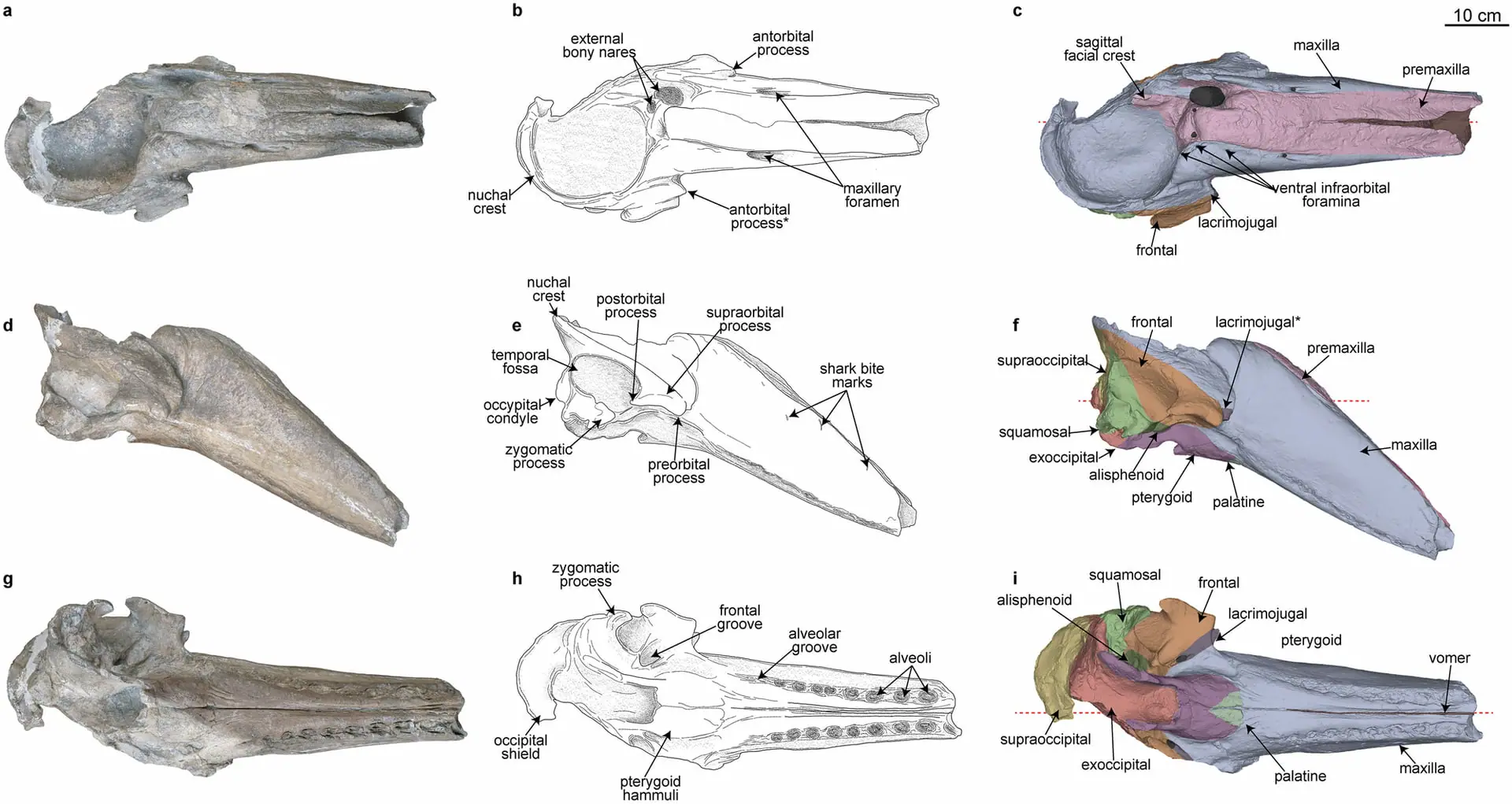
A fossil of a pygmy sperm whale about 2.7 m long, with both bony nostrils shifted to the left side of its head, has been named a new species from Peru. The paper concludes that its genus has the most lopsided face of the cetaceans compared.
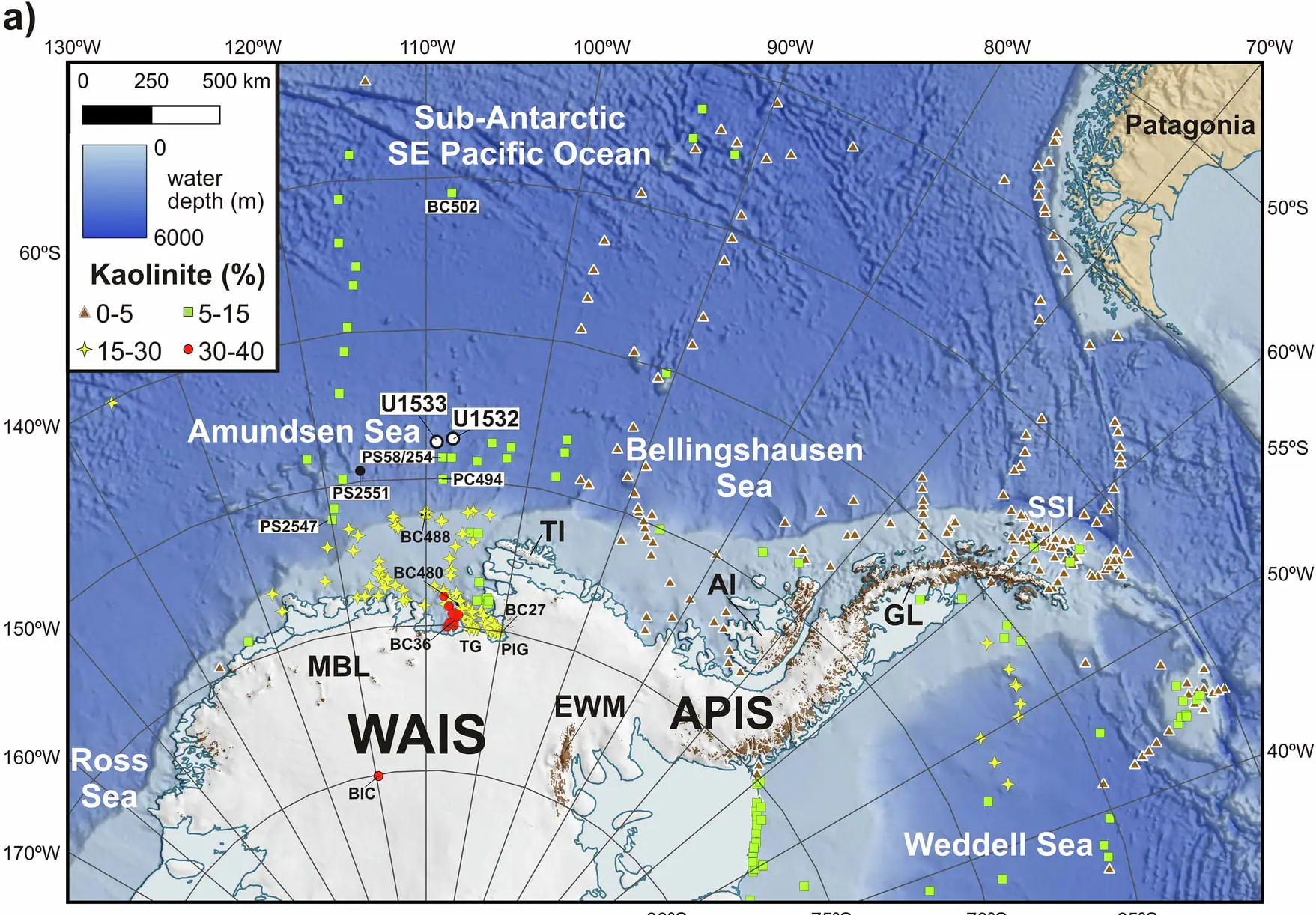
In every warm period of the past 800,000 years before the present one, clay scraped from beneath Thwaites Glacier almost stopped reaching the deep sea. The British Antarctic Survey and partners read this in drill cores as evidence of major West Antarctic Ice Sheet retreat.
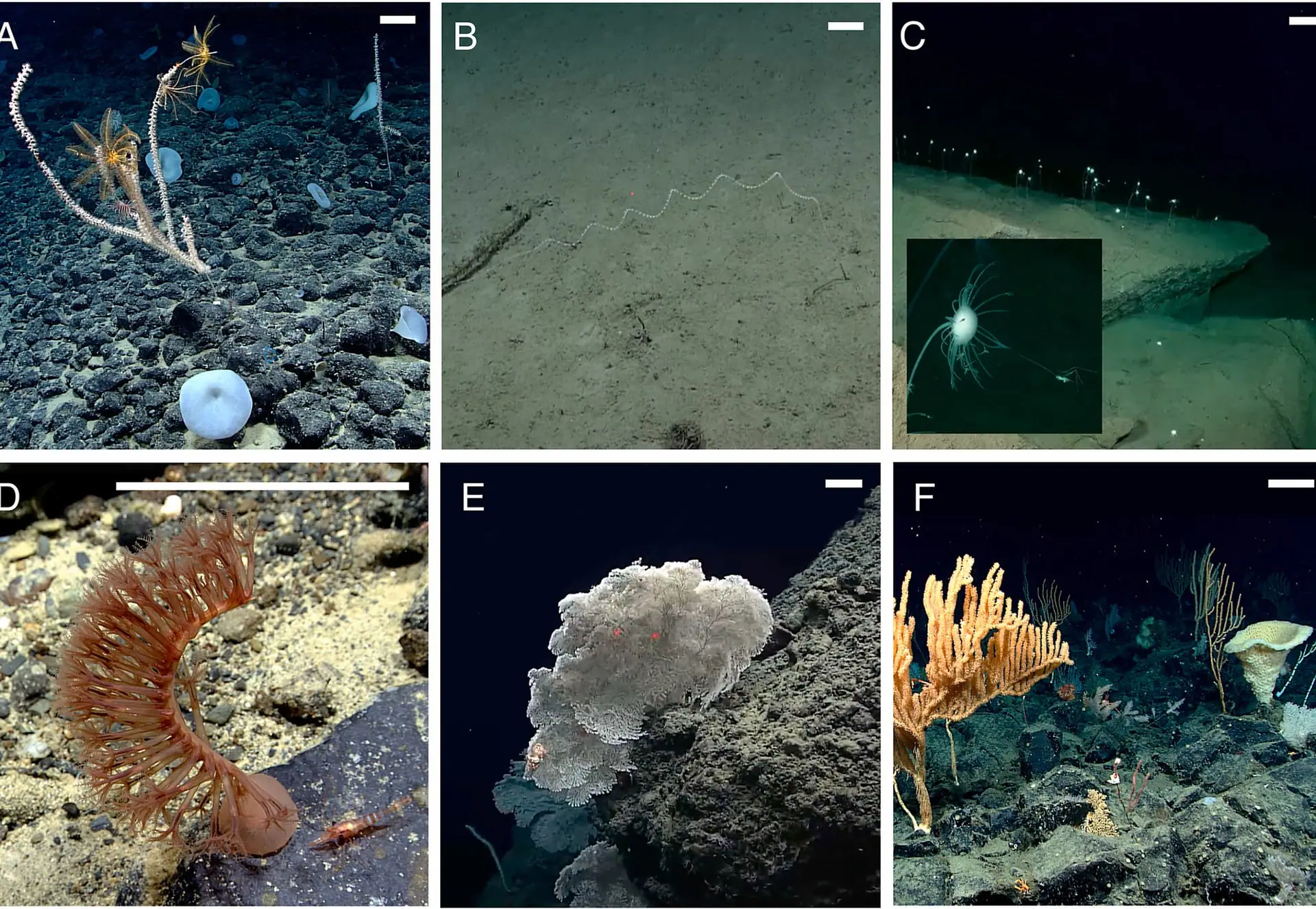
A study of 75 hours of dive footage off Alaska sorted sponges and corals into 164 morphotypes. Which communities formed where was linked more closely to the surrounding currents and water masses than to depth.
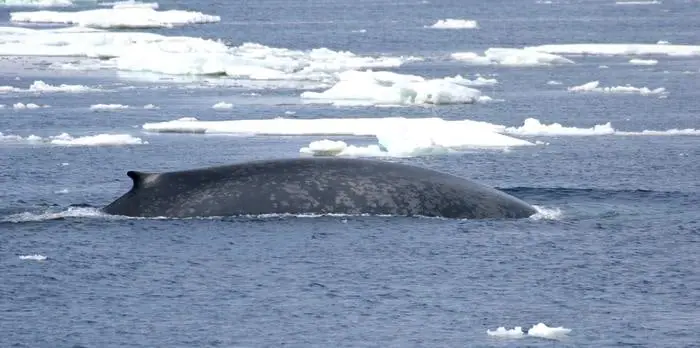
Antarctic blue whales, cut to an estimated 418 animals by whaling, had grown to an estimated 4,018 by 2024. That is still just 1.9% of their pre-whaling numbers, and a full recovery is expected to take more than a century.
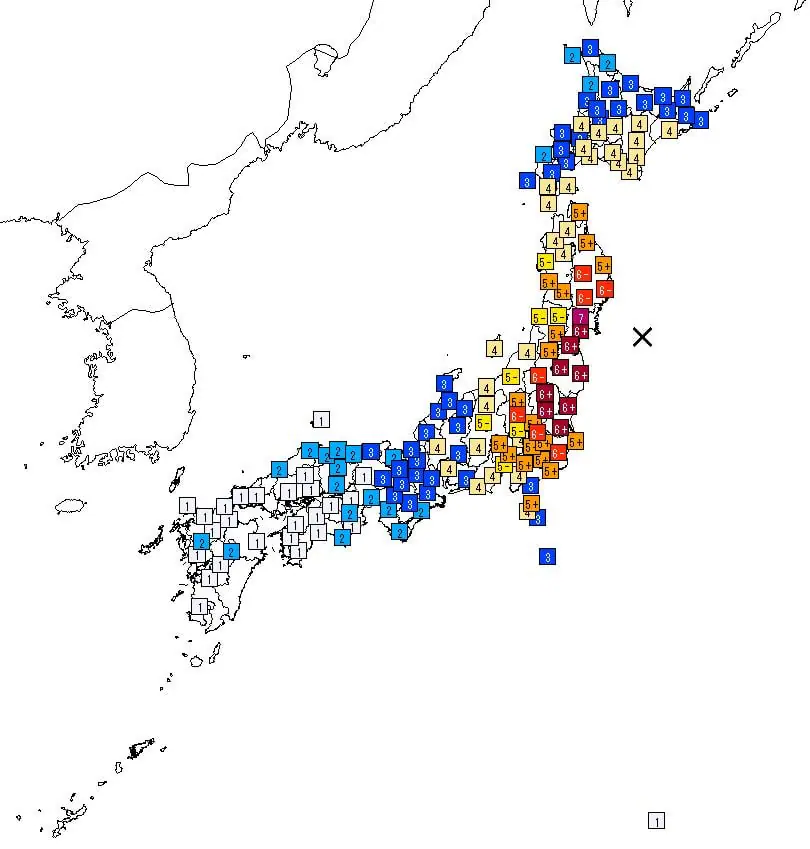
Afterslip on the shallow plate boundary after the 2011 Tohoku earthquake had almost stopped by around 2021, and the shallow part is now locked much as it was before the quake, 14 years of data from 26 seafloor stations show.
Tohoku University, JAMSTEC and the Earthquake Research Institute, The University of Tokyo・5 min read
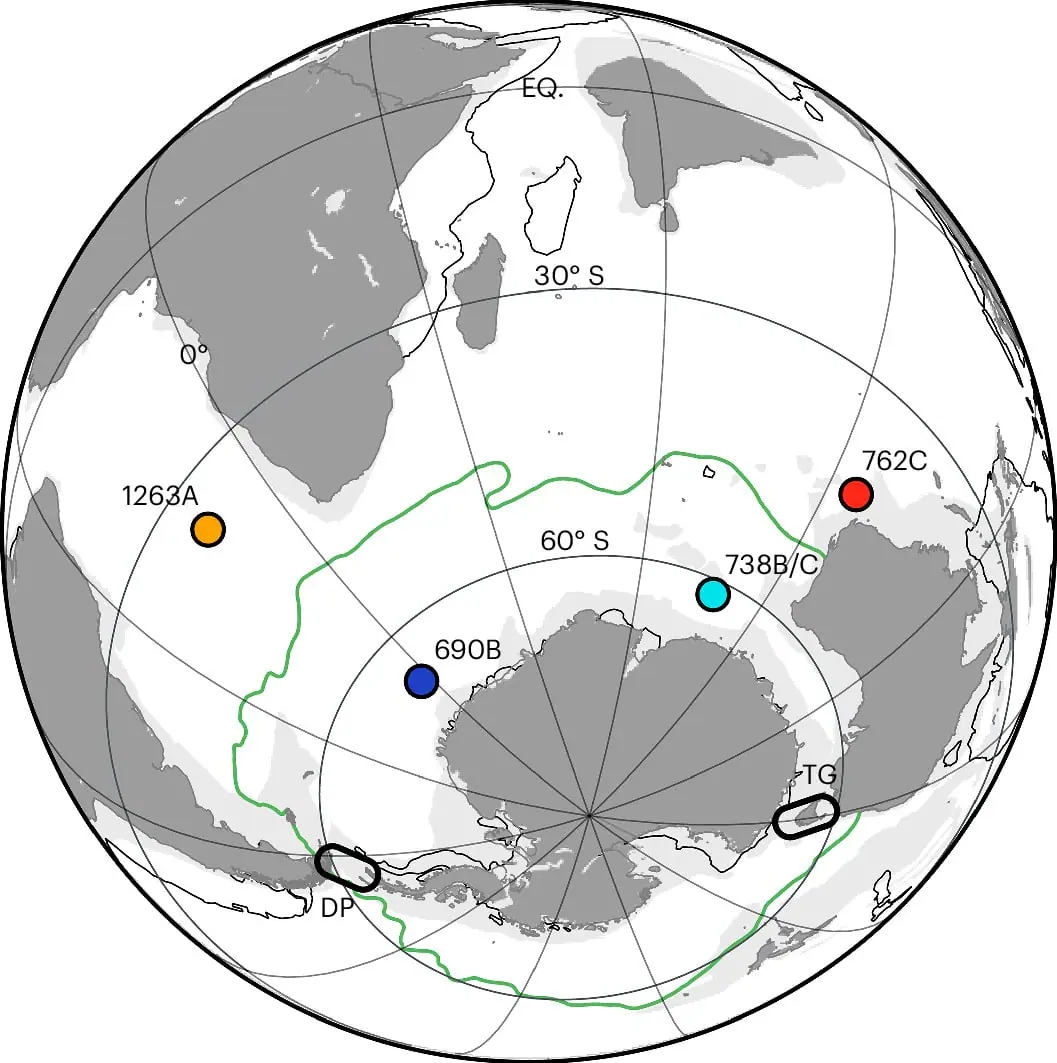
About 50 million years ago, Southern Ocean phytoplankton appear to have used about 40% less of the available nutrients. The ocean sent less carbon into the deep, which may explain at least half of that era's CO2 rise.
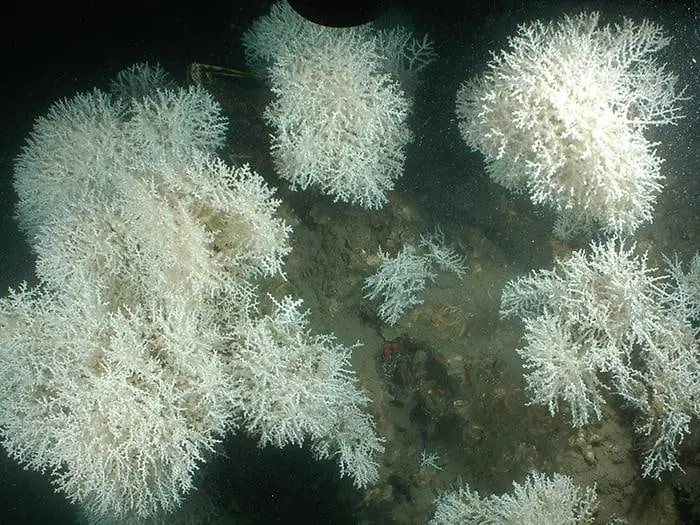
Mediterranean deep-sea corals were long seen as scattered pockets, but they now appear to be almost everywhere, says an organiser of an international symposium. Once damaged, they may need decades to centuries to recover.
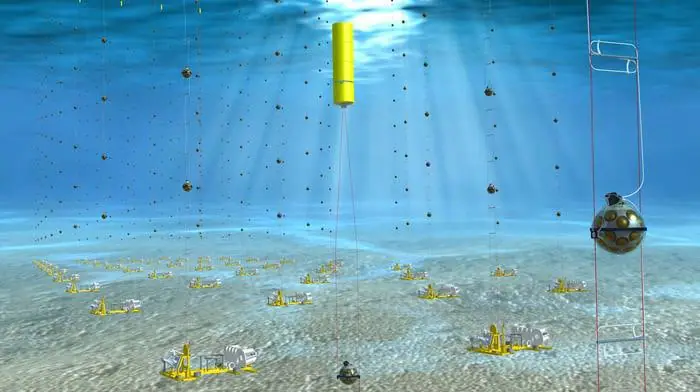
KM3NeT/ORCA, a neutrino telescope being built about 2,450 m down in the Mediterranean, has looked for a breakdown of Lorentz invariance, a pillar of relativity. It found none, and some of its limits are described as competitive with Super-Kamiokande and others.
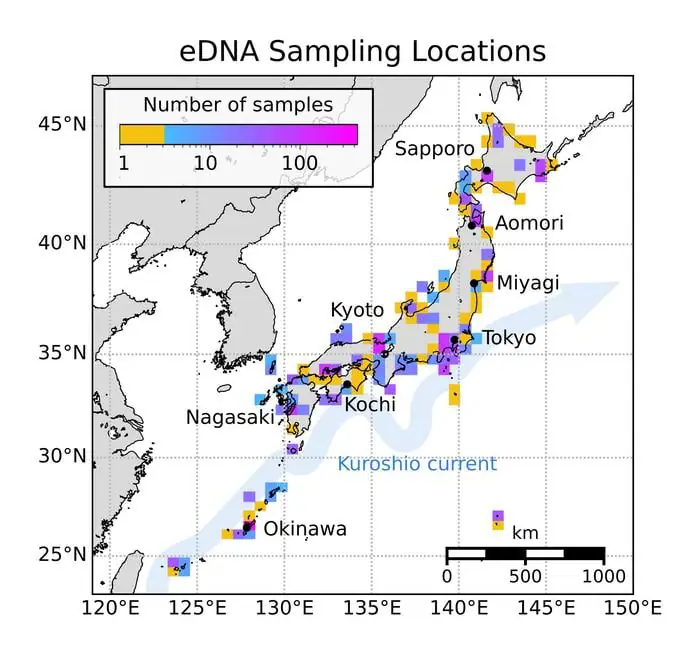
Environmental DNA in seawater collected along Japan's coasts revealed 126 fish species, including Japanese scad, blacktip grouper and black rabbitfish, farther north than existing databases show. The study comes from the Okinawa Institute of Science and Technology (OIST).
Okinawa Institute of Science and Technology・4 min read
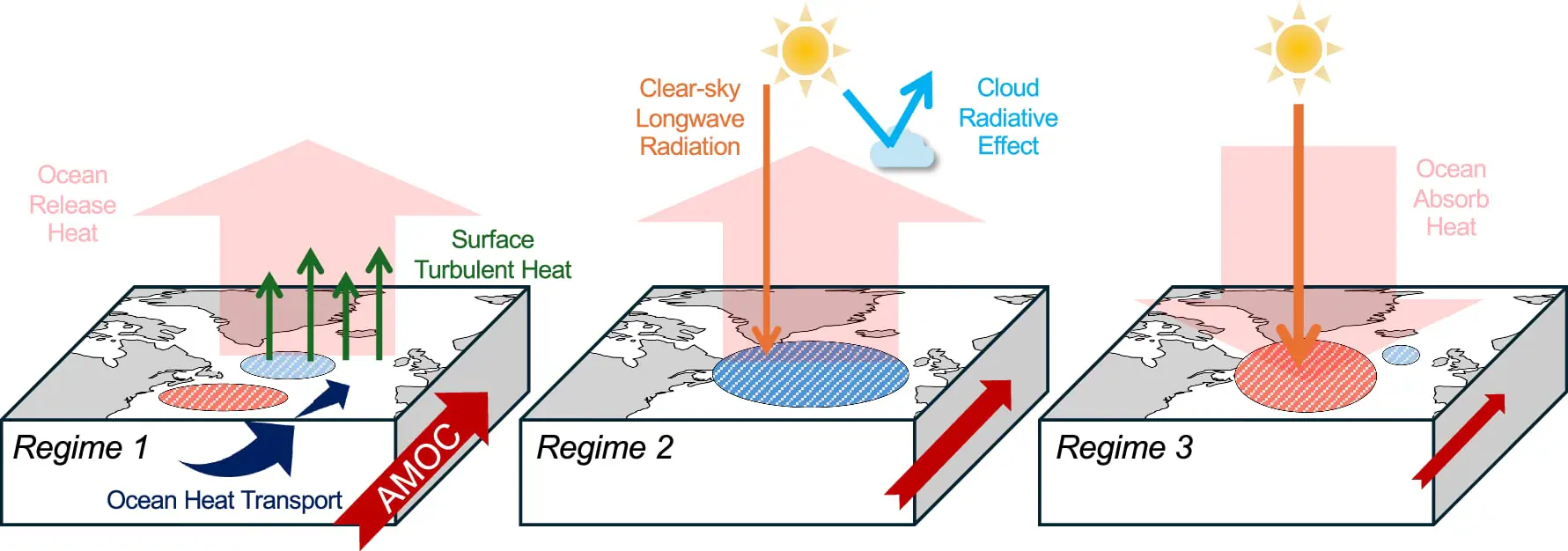
The cold blob south of Greenland has long been read as a sign of a weakening Atlantic current. Climate model runs show that the link between the current's strength and the water temperature shifts through three distinct stages.
On the Pacific seafloor about 4,800 m down, where a deep-sea mining test took place in 1979, the mud in the machine's tracks still holds less organic matter, of lower quality, 44 years later.
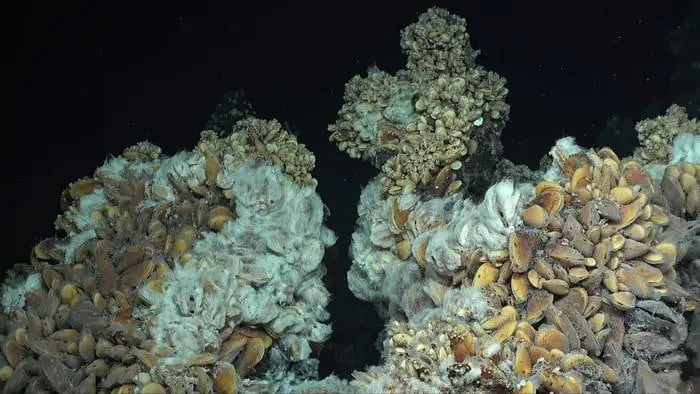
Cells from a mussel that lives at deep hydrothermal vents, where neither sun nor moon is visible, kept a roughly 24-hour rhythm of their own in the lab. The cultures grow at fridge temperature and have lasted over three years.
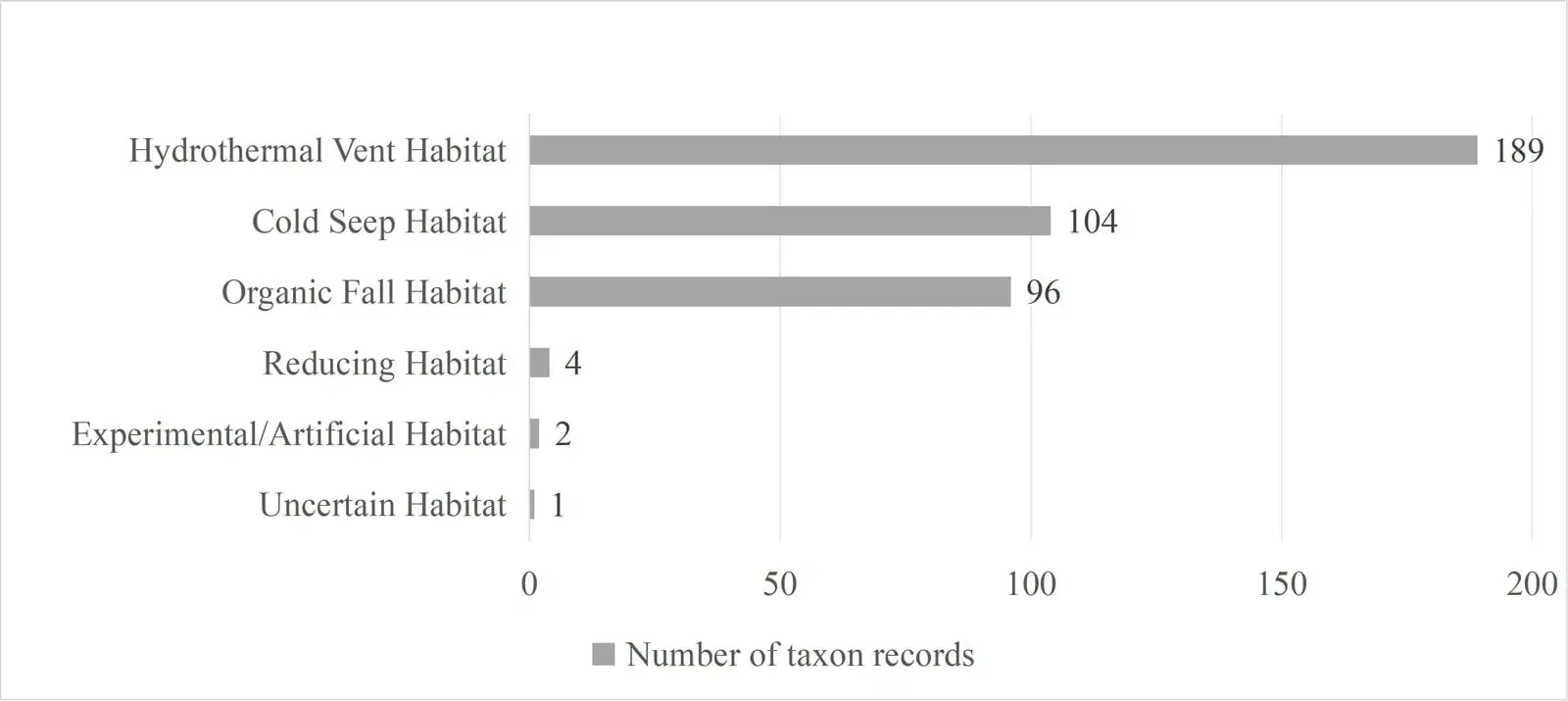
A new dataset brings together 368 records of polychaetes, the bristle worms, from deep-sea hydrothermal vents, cold seeps, whale falls and similar habitats, compiled from 161 publications. Vents account for the most records, 189, and seven come from cow carcasses.
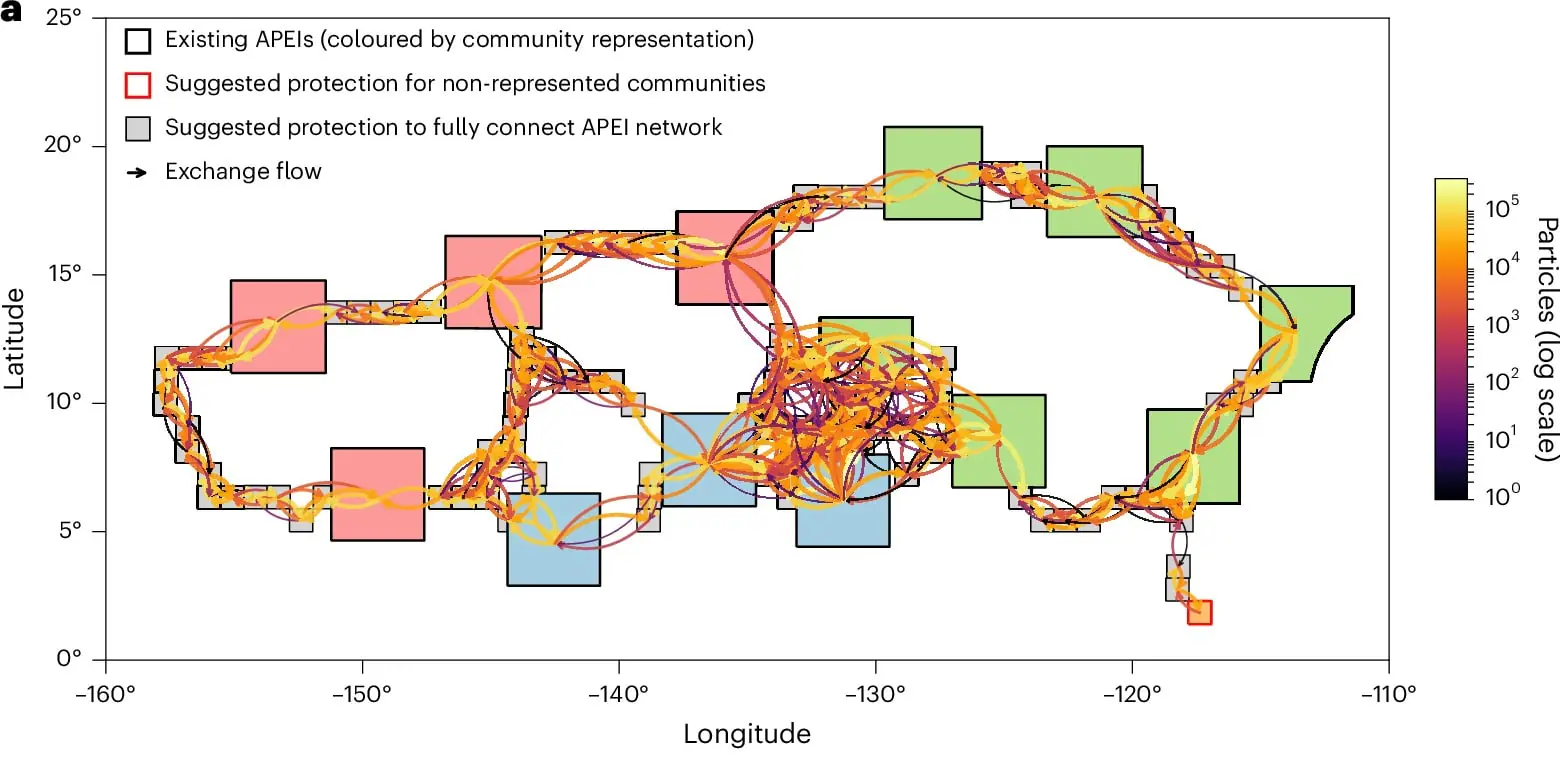
A model study suggests that the 13 APEI protected areas in the central Pacific's prime deep-sea mining region are barely linked by drifting larvae. Fewer than 0.02% of particles reach another APEI; corridors would raise that 406-fold, counting indirect paths.
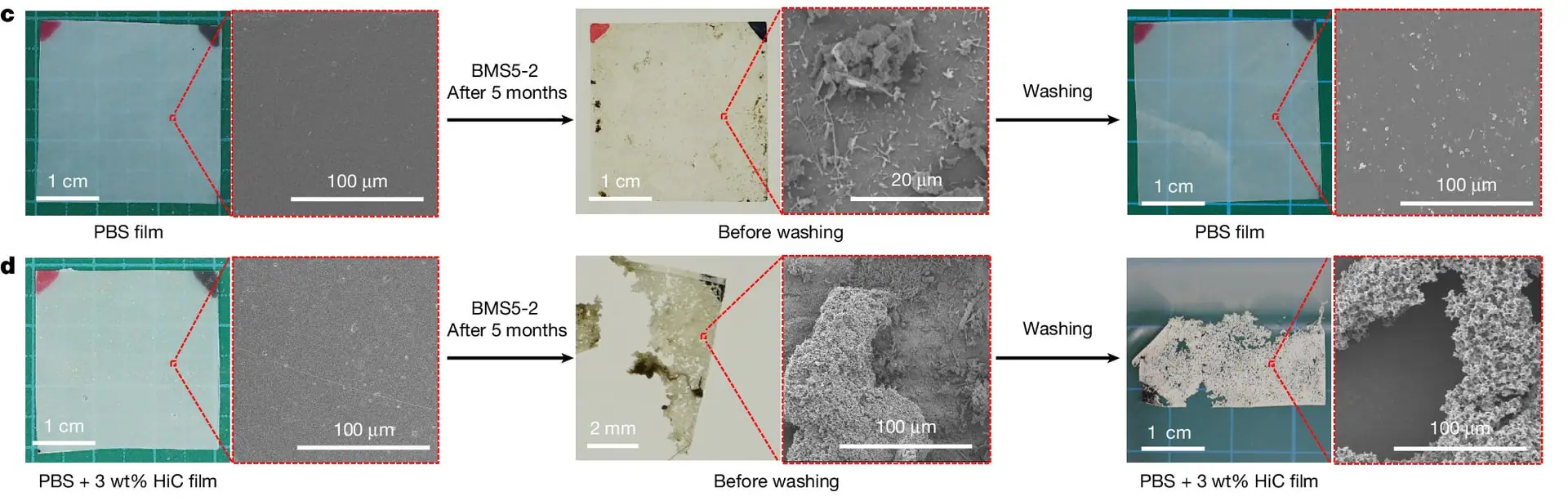
Films of biodegradable plastic with a degrading enzyme mixed in lost almost 100% of their mass after five months on the seafloor 757 m deep, while enzyme-free films lost only a few percent. In a test with another enzyme at 5,503 m, losses after 18 months were modest.
Nature・6 min read
Get the latest deep-sea news
Follow us on X for the latest articles from Deep Sea Log.